Questions are mounting about how a shooter managed to approach former President Donald Trump and senior officials, prompting calls for a full security review as Washington returns to work on Sunday, April 26. The incident has shifted the focus of US politics, with attention on the safety of candidates, cabinet members, and lawmakers during a contentious election cycle.
Officials are bracing for inquiries from Congress and the public. The US Secret Service, which protects current and former presidents and major candidates, will face pressure to explain procedures used at recent political events and whether they were followed.
Security Lapses Under Scrutiny
“Questions about how [the] shooter was able to get so close to Trump, cabinet members and lawmakers are likely to be asked.”
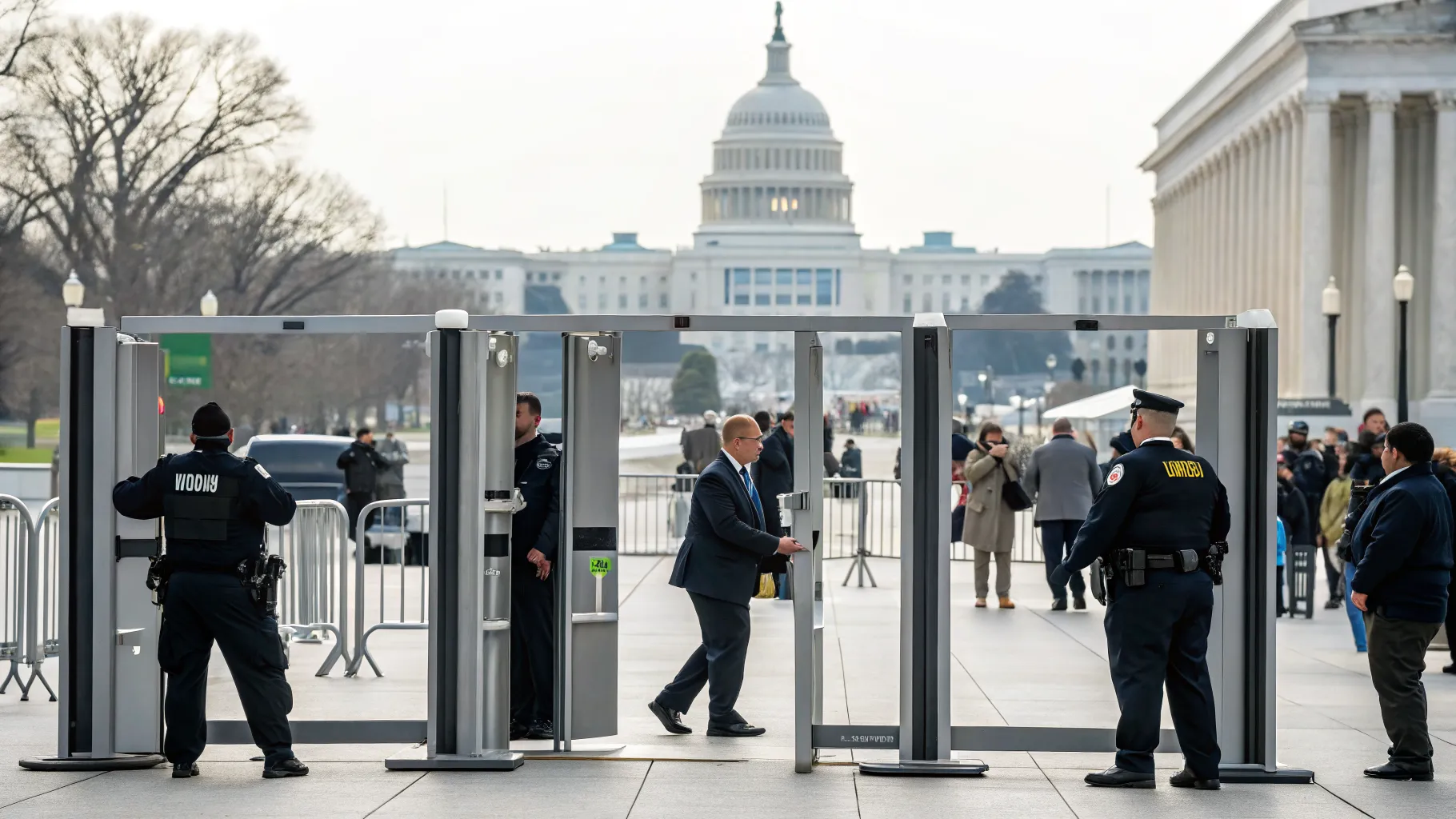
The proximity of the assailant has fueled debate over advance site surveys, crowd screening, and perimeter control. Standard protocols include magnetometer screening, credential checks, and layered outer security rings. Investigators are expected to review how those layers were arranged and whether they were undermined by venue design, manpower limits, or real-time decisions.
Former protective agents say early findings often hinge on sightlines, rooftop access, and the placement of plainclothes teams. They add that coordination with local police can be a deciding factor when large open areas create blind spots.
What Investigators Will Examine
Security reviews after close calls tend to focus on a few recurring points:
- How the shooting position was reached and whether entry points were controlled.
- Whether magnetometers and bag checks were positioned to prevent backflow.
- The effectiveness of counter-sniper coverage and rooftop sweeps.
- Radio communication between federal and local units during the incident.
- Staffing levels and the allocation of tactical teams.
Analysts also look at open-source threats posted online in the days before an event. If warnings were flagged, the review will assess how they were shared and used.
Political Fallout in Washington
Lawmakers from both parties are likely to demand briefings and may schedule hearings on protective operations at campaign stops. Appropriators could seek details on staffing, training, and equipment needs as the election calendar intensifies.
Civil liberties advocates often warn against sweeping changes that restrict public access at rallies. They argue that political events should remain open, with safety enhanced through smarter planning rather than broad exclusion zones. Event organizers, meanwhile, want clear, consistent rules to avoid last-minute changes that confuse attendees and staff.
Recent History and Patterns
High-profile incidents involving national figures have led to policy changes before. Past reviews have produced tighter outer perimeters, new drone mitigation measures, and greater use of counter-surveillance teams. Experts say venue selection is key. Outdoor sites with elevated vantage points nearby can be hard to secure without closing wide areas.
Crowd size adds to the challenge. Large turnouts can slow screening and strain manpower, especially when events are announced on short notice. That can create gaps where individuals slip through or gain access to unsecured positions.
What Comes Next
In the near term, protective agencies are expected to expand standoff distances, increase rooftop coverage, and add barriers near stages. Campaigns may accept longer wait times at entrances and more restricted press and staff movements.
State and local partners will likely receive updated guidance for joint deployments. Agencies could surge resources to higher-risk locations and times, including twilight events and venues with complex sightlines.
The Stakes for the 2024 Cycle
With a crowded calendar and intense public interest, security demands will remain high. Any new measures must balance safety, access, and the right to assemble. The central question is whether the latest review leads to lasting change that holds up under pressure.
As one line circulating in political circles puts it:
“Questions about how [the] shooter was able to get so close to Trump, cabinet members and lawmakers are likely to be asked.”
Those answers will shape how candidates campaign, how crowds gather, and how agencies protect them in the months ahead.

Kirstie a technology news reporter at DevX. She reports on emerging technologies and startups waiting to skyrocket.