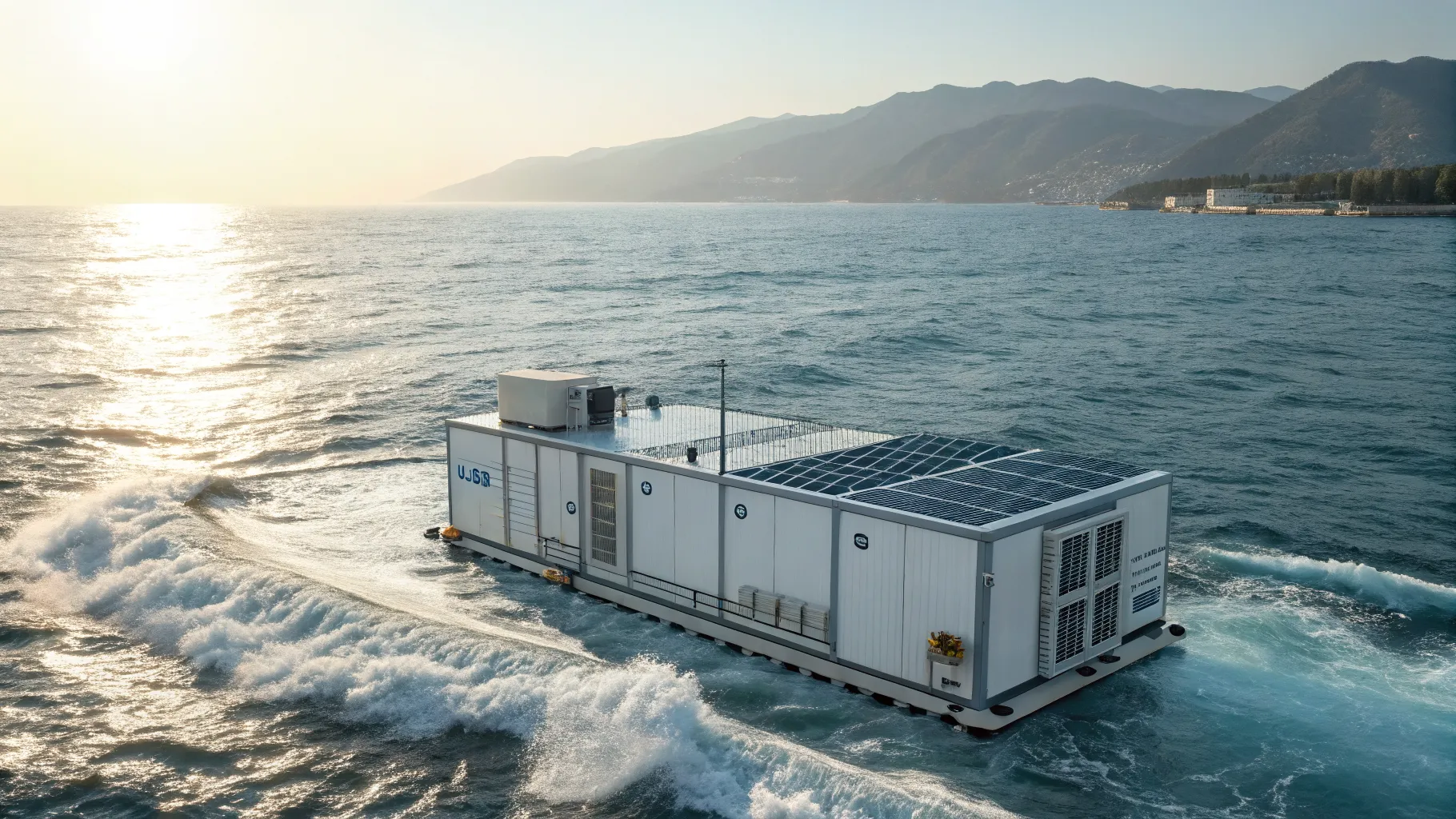
A US technology start-up is deploying autonomous data centers at sea, using wave energy for power, in a bid to cut emissions and reduce land use. The effort highlights a new frontier for cloud infrastructure, while experts warn that marine conditions could make upkeep slow and costly. The plan centers on sealed computing modules anchored offshore and fed by the motion of waves. Supporters frame it as a climate- and space-conscious approach. Skeptics point to saltwater, storms, and limited access as ongoing risks.
“A US start-up is putting autonomous data centres in the ocean, powered by wave energy, but experts warn that the harsh environment could make maintenance challenging.”
Why Take Servers Offshore
Data centers are large energy users and face pressure to curb their carbon footprints. Placing hardware at sea can bring natural cooling, short data paths to coastal users, and room to scale without competing for land. Tapping waves promises on-site, renewable power without long transmission lines. The approach also seeks to sidestep zoning delays and rising real estate costs around major cities.
In recent years, companies have tested underwater modules to study reliability and efficiency. Microsoft’s Project Natick, a multi-year trial in Scotland, retrieved a sealed server pod in 2020 and reported a lower failure rate than comparable land systems. The test suggested that stable temperatures and the absence of human activity inside a sealed container may reduce hardware faults.
How Wave-Powered Modules Could Operate
The concept pairs a sealed, pressure-resistant shell with onboard cooling and networking. A wave energy converter, likely a floating or submerged device, turns motion into electricity. Power electronics then feed the computing racks and charge batteries to ride out calm seas. Data reaches shore through fiber-optic cables or high-capacity radio links. Autonomous control software would manage power budgets, adjust workloads, and alert operators to faults.
Designers aim to minimize human intervention. That reduces the need for crewed vessels and lowers risk. It also places a premium on predictive maintenance, hardened components, and clear recovery plans after storms.
Harsh Seas, Hard Problems
Marine engineers have long treated saltwater as an adversary. Corrosion, biofouling, and pressure cycles can shorten equipment life. Even small parts and seals need special materials and coatings. Experts caution that every visit to a unit requires weather windows, vessels, and trained crews. That raises costs and could extend downtime if a failure occurs during stormy seasons.
- Corrosion and moisture can damage connectors, cables, and enclosures.
- Marine growth can impair cooling and moving parts.
- Access is limited by weather, waves, and currents.
- Insurance and compliance add time and expense.
There are further questions about end-of-life handling. Operators will need plans to lift, refurbish, or recycle modules without harming marine life. Regulators may require environmental reviews, noise studies, and monitoring of local habitats.
Energy, Emissions, and Grid Relief
If wave power proves reliable, offshore modules could offer clean energy capacity near coastal demand centers. That may reduce strain on grids that struggle with peak loads and new data traffic. The open question is how consistent the energy supply can be. Waves vary by season and location. Developers may need hybrid systems that add wind, solar, or backup generation to meet service-level goals.
Cooling is another factor. Sea temperatures help shed heat, which can cut electricity use compared to land-based air conditioning. That could reduce both costs and emissions. But designs must avoid thermal hot spots in nearby waters and meet rules that limit heat discharge.
Security and Connectivity
Physical security at sea is different, not easier. Operators must prevent tampering, collisions, or anchor drags from ships. Navigation warnings, AIS beacons, and protective moorings can help, but they add complexity. For connectivity, fiber offers the best stability and bandwidth, yet laying and maintaining undersea cables is costly. Wireless links can speed deployment but may struggle in storms or over long distances.
What Success Would Look Like
For a commercial rollout, the company will need to demonstrate reliable 24/7 operation across seasons, predictable maintenance cycles, and clear cost advantages. Independent audits of energy output from wave devices will matter, as will benchmarks for server uptime and latency. Local permits and community engagement will shape siting near coasts and shipping lanes.
Microsoft’s earlier findings hint at possible reliability gains in sealed systems. Still, scaling from a pilot to a fleet introduces new hurdles in manufacturing, service logistics, and environmental stewardship. Investors will look for steady economics, not just engineering wins.
The pilot underscores the search for cleaner, space-efficient computing. If the start-up proves that wave-powered data centers can run safely and at a competitive cost, coastal regions could gain a new tool for digital growth. The next milestones to watch include multi-month uptime data, power and cooling efficiency reports, and regulatory approvals for expanded sites. Until then, the sea offers promise—and a test of whether resilient design can match the ocean’s demands.

Rashan is a seasoned technology journalist and visionary leader serving as the Editor-in-Chief of DevX.com, a leading online publication focused on software development, programming languages, and emerging technologies. With his deep expertise in the tech industry and her passion for empowering developers, Rashan has transformed DevX.com into a vibrant hub of knowledge and innovation. Reach out to Rashan at [email protected]