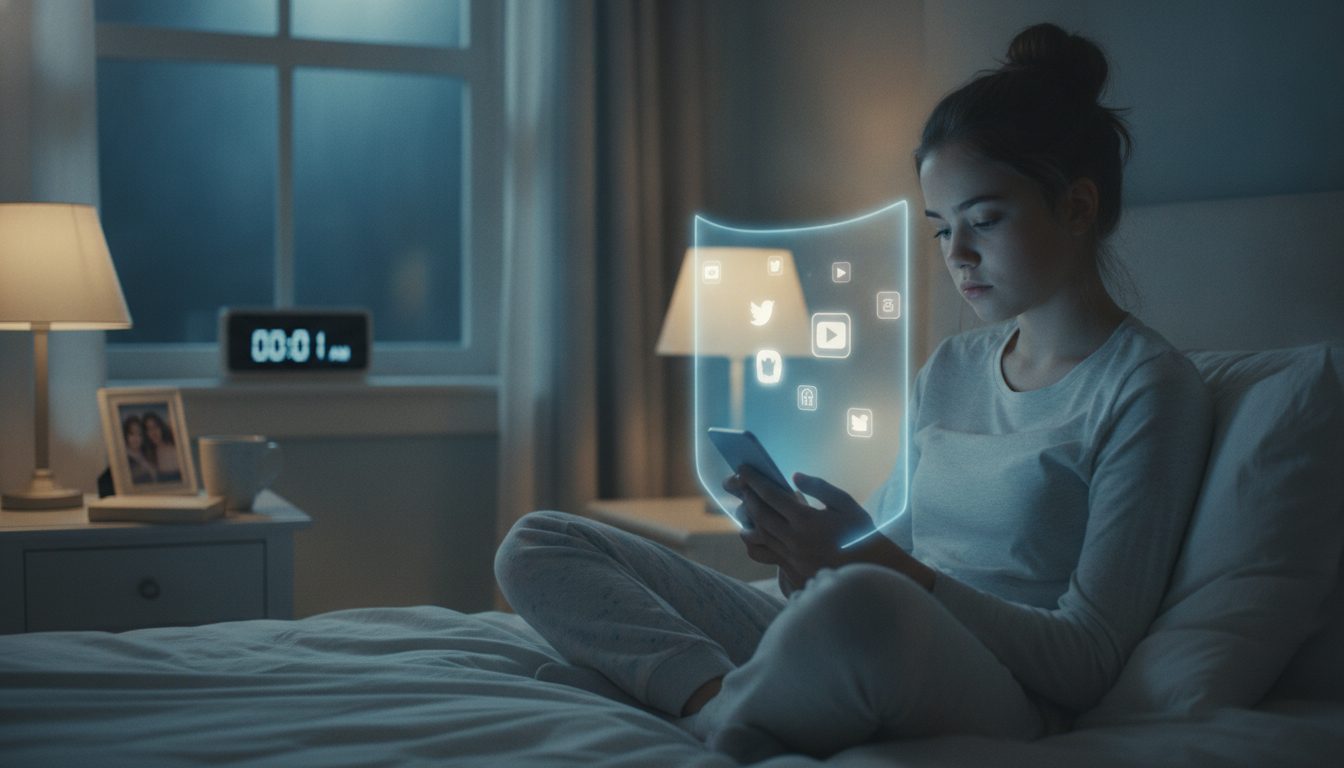
The British government has moved to restrict late-night screen time for older teens, proposing a six-hour social media curfew from midnight for 16- and 17-year-olds. The plan, announced in the United Kingdom, seeks to reduce harms linked to late-night use and to support teen sleep and mental health. Officials say the measure would apply nationwide if adopted, and would place new duties on platforms and app stores.
The British government has announced plans for a six-hour social media curfew from midnight for 16- and 17-year-olds.
Why It Matters Now
Concerns about teen mental health have grown in recent years. Families, schools, and doctors have reported rising anxiety, sleep disruption, and online bullying. Nighttime use of phones has drawn particular attention because it can crowd out rest and study time. The government’s move signals a shift from advice to proposed rules.
The plan targets a specific age group that is on the cusp of adulthood. Supporters say this is when habits form and exam pressure peaks. Critics argue that 16- and 17-year-olds also hold jobs, travel alone, and vote in some elections, so they deserve more autonomy online.
What the Curfew Could Look Like
Ministers have not released full enforcement details. The proposal envisions a default block on social media access between 12 a.m. and 6 a.m. for users who self-declare as 16 or 17. Platforms could be required to apply the curfew by design, while parents might gain controls to adjust settings within legal bounds.
- Default off-hours: midnight to 6 a.m.
- Applies to 16- and 17-year-olds
- Likely enforced by platforms and app stores
Age assurance is a core challenge. Many services rely on user-declared birthdays. Stronger checks could include device-based limits or verification through app stores. Each option carries risks for privacy and for accuracy.
Supporters Point to Health and Learning
Education leaders have warned about students arriving at school tired after hours online. Pediatric specialists and sleep experts often recommend predictable routines and tech-free nights. Advocates say the curfew could set a clear boundary, reduce late-night messaging, and lower exposure to harmful content at vulnerable hours.
Parent groups have long called for help that does not depend on constant monitoring at home. They argue a standard rule makes it easier to set expectations and to say no when peers keep chatting through the night.
Opponents Raise Rights and Practical Gaps
Digital rights groups are likely to question whether the measure infringes on free expression and access to information. They also warn that limits can push activity to less safe corners of the internet. Civil society groups typically ask for evidence that a ban reduces harm without causing new risks.
There are also questions about exceptions. Teens may need late-night access for shift work, travel, or contacting friends in emergencies. A blanket curfew could interfere with community organizing and youth participation in public life, especially for those who rely on social apps.
Industry Faces Compliance and Design Choices
Platforms would need to redesign default settings, update age checks, and coordinate with app stores. That could involve geofencing for the UK, user notifications, and appeals processes. Smaller companies may struggle with the cost and complexity of compliance.
App stores could become gatekeepers by enforcing curfews at the device level. That would simplify compliance but would raise questions about parental control, user consent, and data handling. Clear standards and audits would be necessary to avoid overreach.
How It Compares Internationally
Governments in several countries have weighed youth social media limits, including nighttime restrictions. Courts in some places have scrutinized rules for free speech and data protection. The UK proposal will need to align with domestic law, including privacy obligations and equality rules.
If adopted, the measure could influence policy debates abroad. Companies often prefer one global design, but national rules can force separate versions of their services.
What Comes Next
The plan now enters a period of scrutiny. Lawmakers will likely request impact assessments on mental health, education outcomes, and online safety. Public consultation could refine age checks, enforcement, and exemptions.
Key issues to watch include how the rule defines social media, how it treats messaging apps, and how it protects privacy during age assurance. Funding for guidance in schools and support for parents will also shape outcomes.
The government’s proposal sets a clear goal: less late-night scrolling for older teens. Success will depend on workable enforcement, respect for rights, and meaningful support for families and schools. The coming debate will test whether a curfew can reduce harm without creating new ones, and whether platforms and regulators can deliver a rule that is fair, effective, and privacy-conscious.

Rashan is a seasoned technology journalist and visionary leader serving as the Editor-in-Chief of DevX.com, a leading online publication focused on software development, programming languages, and emerging technologies. With his deep expertise in the tech industry and her passion for empowering developers, Rashan has transformed DevX.com into a vibrant hub of knowledge and innovation. Reach out to Rashan at [email protected]