Ask ten executives to explain the difference between business intelligence and data analytics and you’ll get ten confident answers that contradict each other. The terms have blurred together in vendor decks and job titles until they read like synonyms. They aren’t. The business intelligence vs data analytics distinction is one of the most practically useful lines you can draw in your data organization, because the two disciplines answer fundamentally different questions and require different people, tools, and expectations.
Get the difference wrong and you’ll ask your BI team to predict the future or your data scientists to babysit a sales dashboard, and you’ll be frustrated with both. Get it right and each function does what it’s built for. So let’s draw the line clearly, then explain why the strongest teams refuse to pick a side.
Business Intelligence vs Data Analytics: The Line That Actually Matters
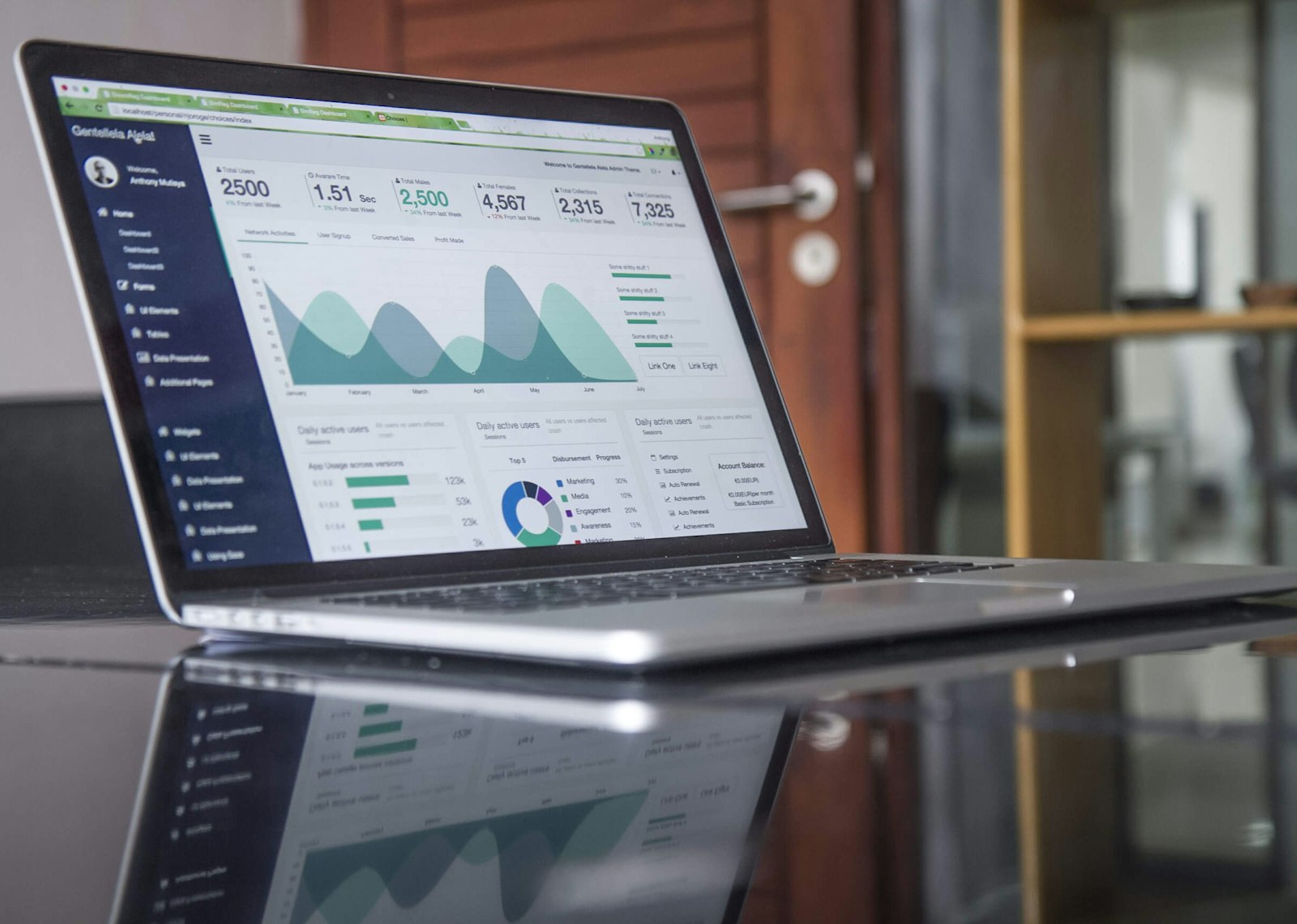
The cleanest way to separate them is by the question each one answers. Business intelligence is fundamentally about what happened and what’s happening now. It takes structured, historical data and turns it into dashboards, reports, and KPIs that tell you where the business stands. Revenue by region last quarter. Support tickets this week. Inventory levels today. BI is the rearview mirror and the dashboard, precise, reliable, and descriptive.
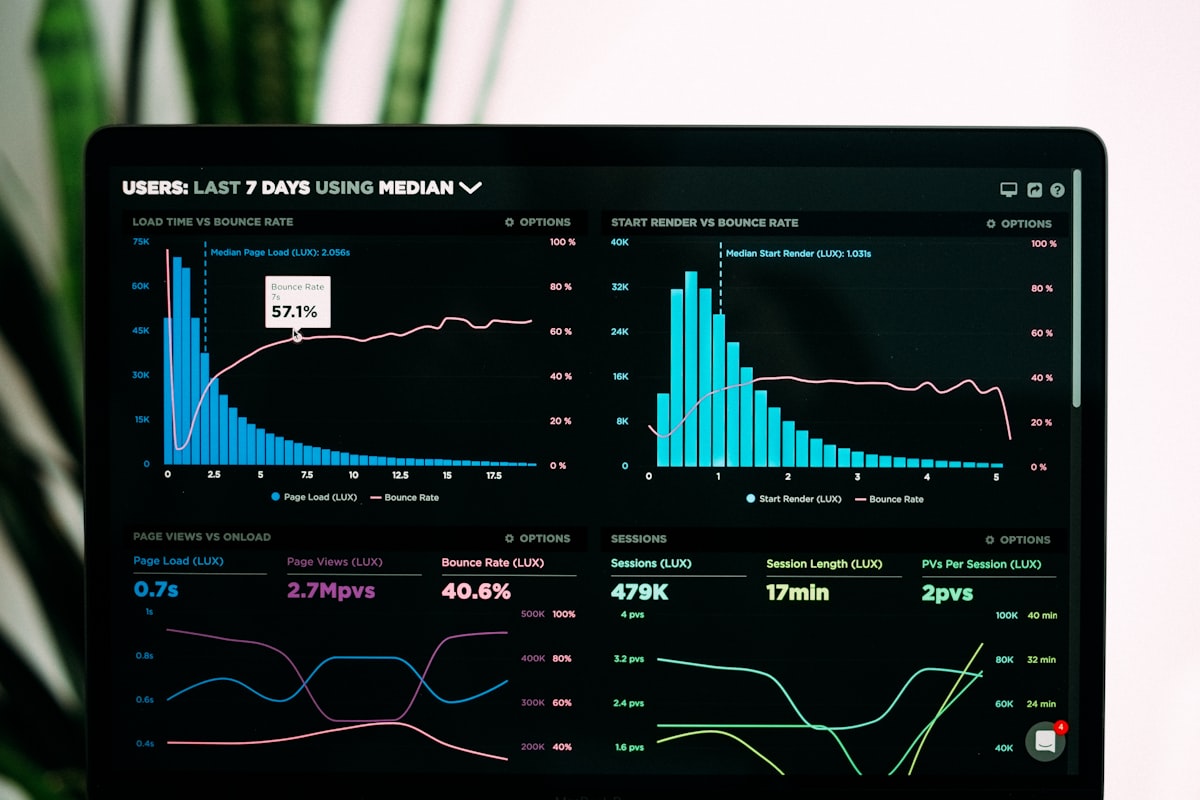
Data analytics reaches further. It asks why did this happen, what will happen next, and what should we do about it. It leans on statistics, modeling, and increasingly machine learning to find the causes behind the numbers and the patterns that predict what’s coming. Where BI reports that churn rose 4%, analytics digs into which customer segments drove it and forecasts where it heads next quarter. One describes reality. The other interrogates and anticipates it.
What Business Intelligence Does Well
Don’t read “descriptive” as “lesser.” A reliable BI layer is the operational nervous system of a company. It’s how a regional manager checks performance before a Monday meeting, how finance closes the books, how a leadership team keeps a shared, trustworthy view of the numbers. That consistency has real value, and the market reflects it: Fortune Business Insights valued the business intelligence market at USD 34.82 billion in 2025, projected to reach USD 72.21 billion by 2034. Tools like Power BI, Tableau, and Looker have made this layer accessible enough that a non-technical manager can self-serve answers that once required a data request and a three-day wait.
What BI is not built for is open-ended inquiry. Ask a dashboard “why,” and it can only show you another dimension of “what.” That’s not a flaw. It’s a boundary, and knowing where it sits is half of using BI well. This is also why a clear data strategy matters more than raw data volume, because a BI layer built on inconsistent definitions produces confident, precise, wrong numbers.
Where Data Analytics Takes Over
When the question stops being “what is the number” and becomes “why is it moving and what do we do,” you’ve crossed into analytics territory. This is where analysts and data scientists work with less-structured data, build models, run experiments, and produce forecasts rather than reports. The tooling shifts too, from drag-and-drop dashboards toward Python, R, and platforms like Databricks that support genuine exploration.
The growth gap between the two disciplines tells you where investment is heading. While BI compounds in the high single digits, Grand View Research projects the broader data analytics market will reach USD 302.01 billion by 2030 at a 28.7% annual rate. Organizations aren’t abandoning BI. They’re building analytics capability on top of it, because describing the past is table stakes and the competitive edge lives in prediction and cause. Much of that capability rests on sound data architecture, since predictive work fails fast on data that isn’t integrated and clean.
Why the Best Teams Refuse to Choose
The framing of business intelligence vs data analytics as a rivalry is where organizations go wrong. In practice they’re a relay, not a competition. BI surfaces the anomaly, the churn spike, the sudden dip in a region, and hands it to analytics to explain and forecast. Analytics, in turn, produces insights that become the next generation of KPIs the BI layer tracks. Kill either half and the other limps.
You can see the appetite for both in how leaders now budget. Wavestone’s 2024 survey found 87.9% of executives rank data and analytics investment as a top organizational priority, and that spend spans the full range, from the reporting infrastructure that keeps operations honest to the modeling that reveals what’s next. The mistake isn’t investing in one over the other. It’s assuming they’re the same thing and staffing accordingly.
Practically, that means matching people to purpose. Give your BI function analysts who are rigorous about definitions, data quality, and clarity. Give your analytics function data scientists comfortable with ambiguity and statistical modeling. Ask each to do the other’s job and you’ll waste both.
Two Disciplines, One Goal
Business intelligence and data analytics aren’t competing philosophies. They’re two stages of the same pursuit: turning data into decisions. BI keeps you honest about where you are. Analytics tells you why you got there and where you’re heading. You need the discipline of the first and the ambition of the second, and confusing them costs you the strengths of both.
So stop treating the terms as interchangeable and start treating them as a partnership. Build a BI layer your whole company trusts, and an analytics capability that pushes past it into cause and prediction. Do that, and the question of business intelligence vs data analytics stops being a debate and becomes a description of a data team firing on both cylinders, turning numbers into smarter sales and marketing decisions.
Featured image: Photo by Carlos Muza on Unsplash. In-article image: Photo by Luke Chesser on Unsplash.

Rashan is a seasoned technology journalist and visionary leader serving as the Editor-in-Chief of DevX.com, a leading online publication focused on software development, programming languages, and emerging technologies. With his deep expertise in the tech industry and her passion for empowering developers, Rashan has transformed DevX.com into a vibrant hub of knowledge and innovation. Reach out to Rashan at [email protected]