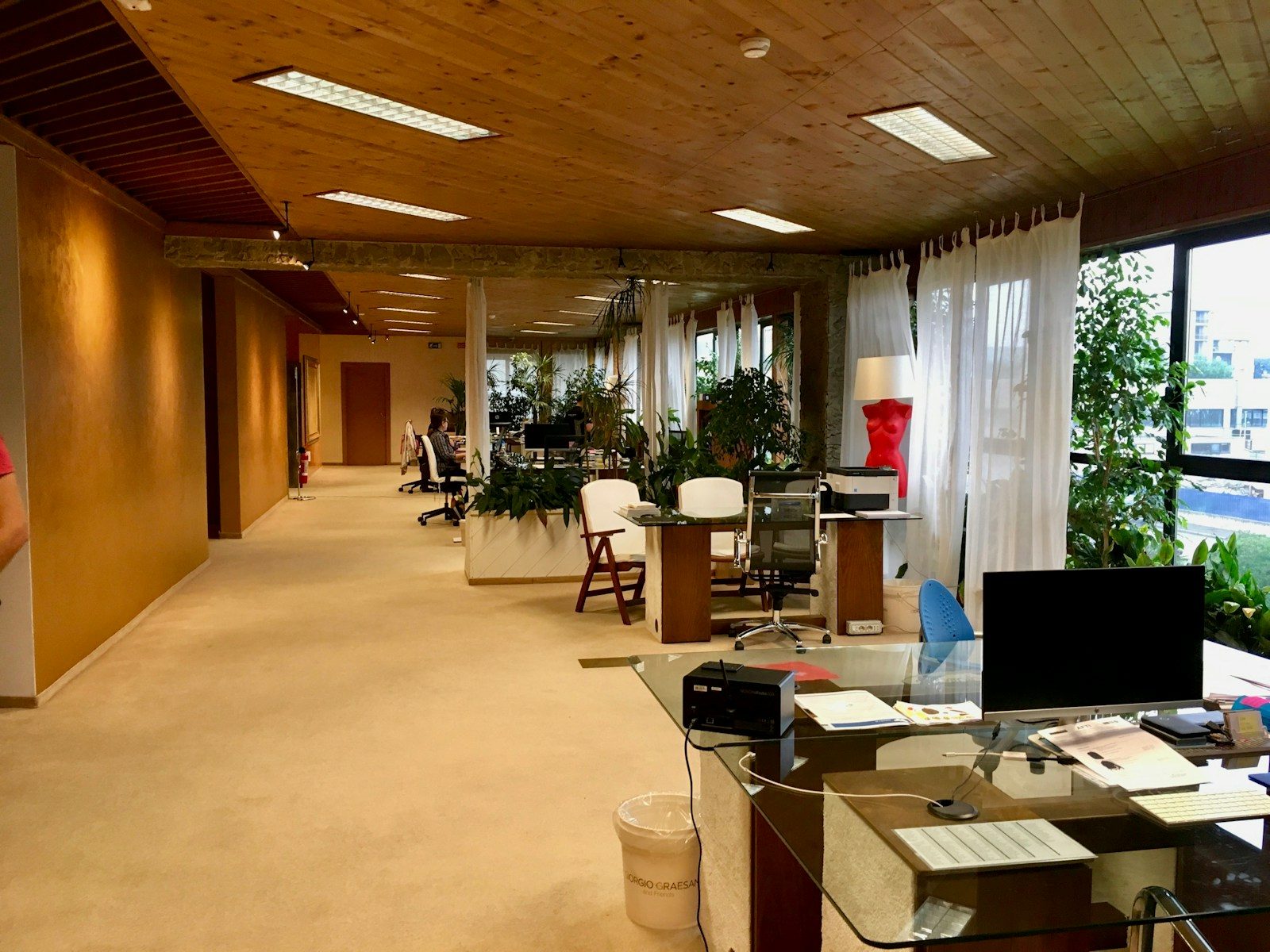
Open-plan offices were built around a simple idea: make it easier for people to share ideas, move quickly, and work as a team. For many businesses, that still matters. Flexible layouts can support collaboration, hybrid schedules, and fast-changing teams better than rows of closed offices.
Yet the same openness that makes these spaces feel active can also make them hard to use. A sales call carries across the room. A quick desk conversation breaks someone’s focus. A video meeting creates background noise for everyone nearby.
Why Noise Became a Design Problem
Noise in open offices is not just an annoyance. It affects how people work, how comfortable they feel, and how well a space supports different tasks. Many employees now split their time between home and the office, which has raised expectations. After working in quieter home settings, people are more aware of how distracting a busy office can be.
The challenge is that offices need to support multiple types of work. A team may need space for brainstorming in the morning, private calls before lunch, and focused project work in the afternoon. One large, open room cannot handle all of those needs without help.
That is where modern acoustic planning comes in. Instead of treating sound as a final detail, designers now consider it early in the layout process. They look at where conversations happen, how sound travels, which teams need quiet, and which areas should feel more active. This makes acoustics part of the workplace strategy, not just a fix after complaints arise.
One practical shift is the use of acoustic furniture as part of the office system. Sofas, booths, screens, panels, and workstations can absorb sound while still looking like natural parts of the space. This helps companies reduce distraction without building more walls or making the office feel closed off.
How Acoustic Systems are Changing Office Layouts
The biggest change is that sound control is becoming more flexible. Older acoustic solutions often focused on ceilings, wall panels, or carpet. Those still matter, but they are no longer the only tools available. Modern systems can be built into the furniture, lighting, partitions, meeting pods, and shared work zones.
This gives designers more control over how each area feels. A collaboration zone can stay lively while nearby focus areas gain additional sound absorption. A lounge can double as an informal meeting space without sending every conversation across the floor. Phone booths and enclosed pods can give employees a better place for private calls, helping reduce noise at desks.
Acoustic systems also support better zoning. In many offices, the best layouts now include a mix of spaces, such as:
quiet focus areas for deep work, open team zones for quick collaboration, enclosed rooms for calls, and relaxed social spaces for informal connection.
The goal is not silence everywhere. A good office soundscape has balance. Some areas should feel energetic. Others should feel calm. Employees should be able to choose the right setting for the task at hand.
Materials are improving too. Designers can now use acoustic elements that look more like design features than office equipment. Felt, wood, recycled textiles, sculptural ceiling baffles, and upholstered screens can add warmth while managing sound. This matters for companies that want offices to feel welcoming, branded, and comfortable.
Technology is also playing a larger role. Some workplaces use sound masking to add a low, steady background sound that makes speech less noticeable. Others use sensors and workplace data to understand how spaces are used throughout the day. When paired with smart planning, these tools help companies fine-tune the office instead of relying on guesswork.
The result is a more human approach to workplace design. Instead of forcing every employee into the same environment, acoustic systems help the office adapt to different work styles.
What Businesses Gain from Better Acoustics
Better acoustics can improve the office experience in several ways. First, they help people focus. When speech is less distracting, employees can stay with complex tasks longer and recover more quickly after interruptions.
Second, acoustic planning supports privacy. In open offices, privacy does not always mean secrecy. It can mean feeling comfortable enough to have a normal conversation without the whole room listening. This is especially useful for HR discussions, client calls, financial conversations, and manager check-ins.
Third, better sound control can make collaboration more effective. Teams communicate more clearly when meeting areas are designed for speech quality. People do not need to talk over background noise, repeat themselves, or leave the floor to find a better place to meet.
There is also a strong benefit to workplace culture. Employees notice when an office is designed around how they actually work. A noisy, stressful space can send the message that comfort is an afterthought. A well-planned acoustic environment shows that the company values focus, communication, and well-being.
For business leaders, this can support broader goals. Many organizations are trying to make the office worth the commute. Pay, policy, and location all matter, but the quality of the workspace matters too. If the office helps people do work they cannot easily do at home, it becomes more useful.
Acoustic design also gives companies more options as needs change. Instead of renovating every time teams shift, movable screens, modular booths, and integrated acoustic furnishings can help adjust the space with less disruption. That flexibility is valuable for growing companies, hybrid teams, and businesses testing new workplace models.
The Next Open Office will Sound Different
Open-plan offices are not going away, but they are becoming more thoughtful. The next generation of workplace design is less about removing walls and more about giving people the right mix of openness, focus, privacy, and comfort.
Modern acoustic systems make that possible. They help businesses keep the energy and flexibility of open layouts while solving one of their biggest weaknesses. When sound is planned well, the office becomes easier to use, easier to share, and better suited to the way people work today.
Photo by Jozsef Hocza: Unsplash