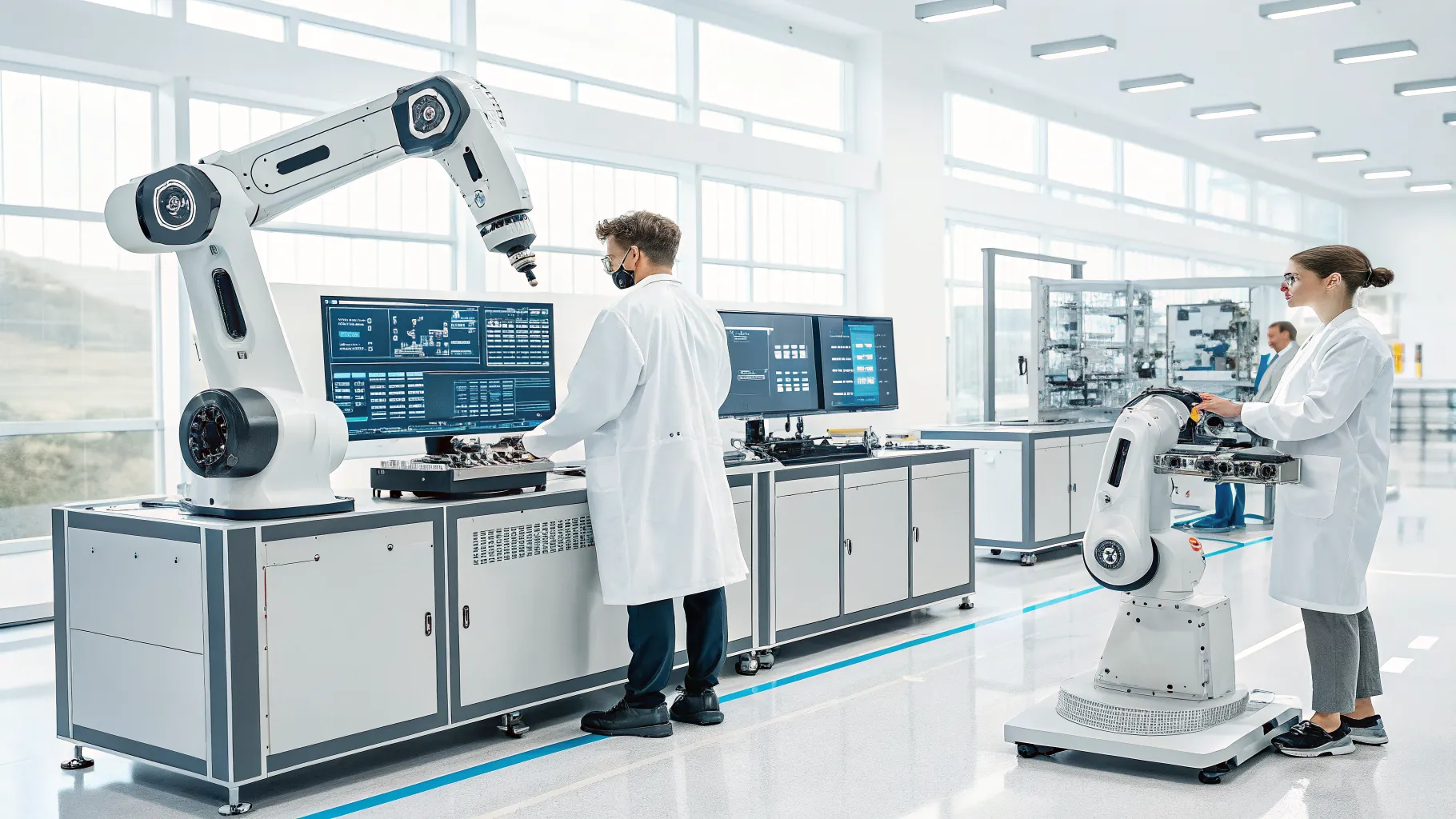
Black Forest Labs, a rising name in image generation, is setting its sights on hardware. The company signaled a shift to physical AI, aiming to move from pixels to machines. The move suggests a new phase where its visual models guide devices in the real world, from cameras to robots. While details remain limited, the strategy points to a bid for broader reach and real-world impact.
The company has built a reputation for photo-realistic images and creative control. Its systems gained traction with artists, marketers, and developers who needed fast, high-quality visuals. Now it plans to apply that expertise to devices that sense, decide, and act.
“Black Forest Labs has long punched above its weight in the AI image generation space. Its next move? Powering physical AI.”
From Images to Actions
Turning visual intelligence into action is a major step for any AI firm. Image models label scenes, detect objects, and judge quality. Physical systems need those same skills, but they also need timing, safety checks, and control logic. That means upgraded software, new interfaces, and close work with hardware partners.
In practice, physical AI blends perception with control. Cameras and sensors process frames on-device or at the edge. Models filter noise, track movement, and propose actions. Controllers then execute precise steps. Doing this well demands low latency and strong reliability across varied settings, light levels, and motion.
Why This Shift Matters
The market for embedded intelligence is expanding. Smaller chips can now run vision models locally, which cuts delay and protects data. Companies also want systems that work offline and reduce cloud costs. A model tuned for images can become the “eyes” for devices that need fast and accurate judgment.
For Black Forest Labs, the shift could open new revenue streams. Software licenses, device integrations, and support contracts create steadier income than consumer image tools. It also strengthens ties with manufacturers and integrators who value dependable performance in the field.
Potential Uses Across Sectors
- Manufacturing: visual inspection for defects and assembly checks.
- Retail: shelf monitoring, inventory tracking, and loss prevention.
- Logistics: barcode reading, parcel routing, and dock safety.
- Robotics: grasp planning, navigation aids, and task verification.
- Smart cameras: occupancy sensing and facility alerts.
- Healthcare settings: sterile-field checks and instrument counts.
These uses require more than image quality. They need explainable results, safe failure modes, and clear interfaces for operators.
Technical and Legal Hurdles
Physical deployments raise higher stakes. A false positive in a photo is harmless; a wrong signal to a robot can damage products or cause injury. That raises the bar on testing, calibration, and updates. It also increases the need for monitoring and alerts when confidence drops.
On-device processing brings privacy gains, yet it can limit model size and features. Developers must balance speed with accuracy. They also need to manage power, heat, and memory on edge hardware. Tooling that compresses models while keeping performance will be essential.
Legal issues remain. Training data and model use can face copyright and licensing claims. In regulated settings, traceability and audit logs are required. Firms that provide clear documentation, safety cases, and support will have an edge.
Industry View and Next Steps
Experts have long expected image leaders to extend into devices. The same perception engines that produce striking visuals can guide cameras, cobots, and drones. But success depends on partnerships with chipmakers, system integrators, and customers who can define precise needs.
Key milestones to watch include pilot deployments, reference designs, and developer kits. Support for common edge platforms, such as compact GPUs and NPUs, would signal real progress. Benchmarks that measure latency, accuracy, and uptime in field conditions will matter far more than studio samples.
Black Forest Labs has shown it can ship fast and win users in creative fields. The move to physical AI will test its ability to meet industrial demands. If it delivers reliable perception and smooth integration, it could become a go-to supplier for embedded vision.
The company’s statement hints at a larger race to link advanced vision with real-world action. The next phase will be defined by safety records, service levels, and strong device support. Watch for concrete partnerships and proof-of-use cases that show consistent performance outside the lab.

A seasoned technology executive with a proven record of developing and executing innovative strategies to scale high-growth SaaS platforms and enterprise solutions. As a hands-on CTO and systems architect, he combines technical excellence with visionary leadership to drive organizational success.