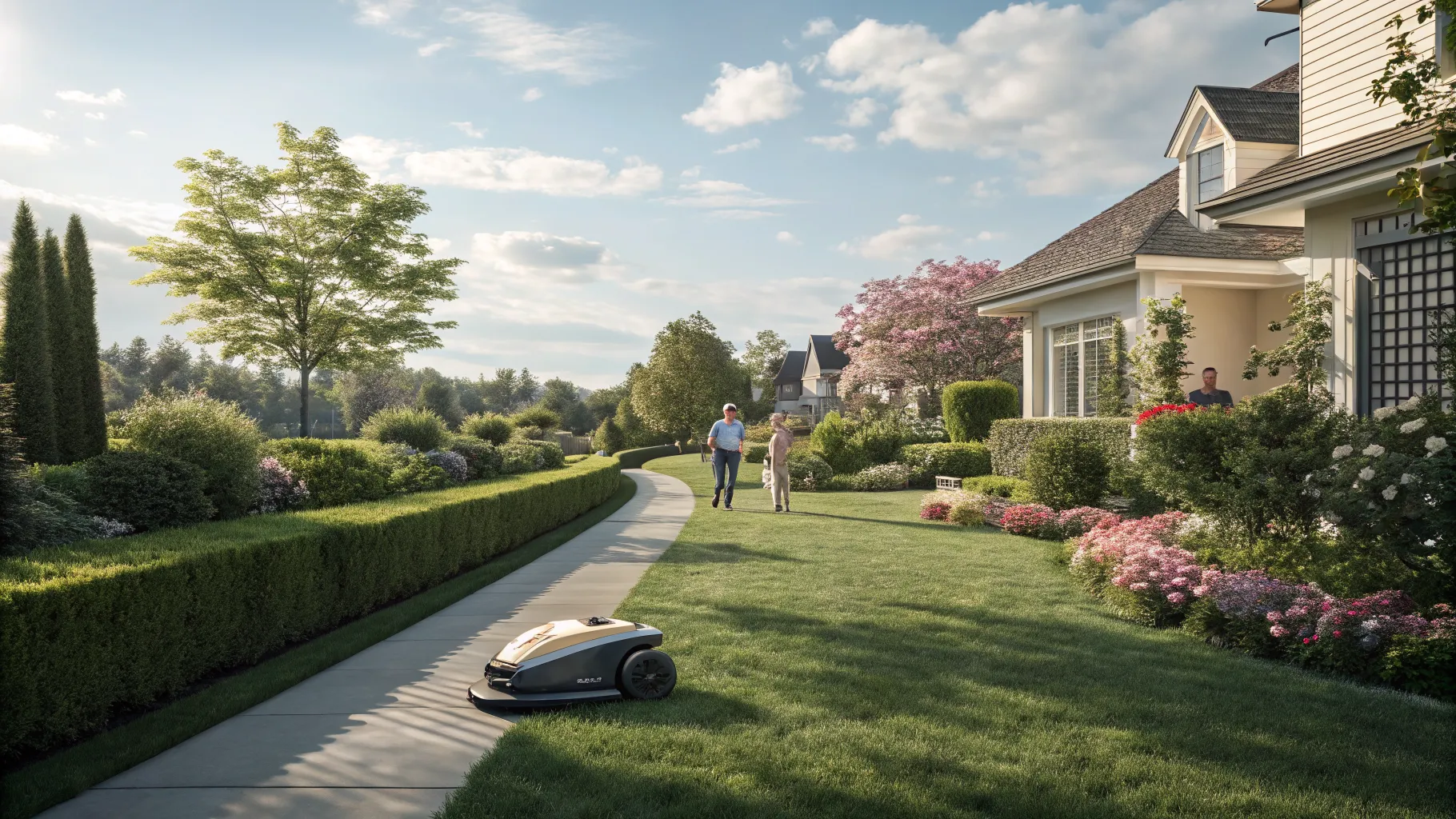
A consumer review in September praised the Luba 2 AWD 3000HX, describing a quiet and capable autonomous mower that handled multiple lawns and even built goodwill on the block. The hands-on assessment highlighted performance, noise, and the ease of sending the device from yard to yard. The reaction points to growing interest in lawn tools that reduce work, lower noise, and support sharing among neighbors.
Autonomous lawn mowers have moved from niche products to common sights in suburban yards. Battery power and GPS-based guidance have improved steadily. Homeowners now weigh not just cut quality and runtime, but also whether a device can manage complex terrain, handle curbs, and operate without disturbing the street on a weekend morning.
Performance and Everyday Use
The review emphasized smooth operation and low noise. That combination is often key for buyers who want routine mowing without the hum of a gas engine or the need to supervise every turn.
“It’s quiet, very capable, kind of fun, and made me feel like a neighborhood hero while sending it from house to house mowing everyone’s yards.”
The AWD designation suggests a focus on traction and uneven ground. While runtimes and charge cycles were not detailed, the ability to travel across several properties implies steady battery performance and reliable navigation. The tone of the account suggests it handled everyday obstacles and transitions from one property to another without fuss.
Why Quiet Matters
Noise remains one of the biggest complaints about yard equipment. Electric mowers can help reduce sound levels, especially during early mornings and evenings. A quiet unit allows more flexible schedules and fewer complaints from light sleepers or remote workers. For neighborhoods with tight lot lines, reduced noise can be as valuable as a neat cut.
Sharing Across Properties
The idea of one device serving several homes is gaining attention. It spreads the cost, keeps gear in regular use, and can turn a single purchase into a small community service. The review captured that spirit with the mention of moving the mower from home to home.
Sharing also raises practical questions that owners should consider:
- How to set safe boundaries for each lawn
- Who manages charging, storage, and maintenance
- What happens if the unit is damaged or lost
Clear rules and simple schedules can prevent confusion. Marked zones and saved maps may also speed setup across properties, if the model supports multi-yard profiles.
Safety, Setup, and Limits
Autonomous mowers rely on sensors, mapping, and software. That can reduce effort but still demands care. Before sending a mower next door, owners should check for toys, hoses, and pets. Fences, steep slopes, and narrow gates may also complicate operation between homes. Many units offer stop buttons and lift sensors, yet best practice includes periodic checks during operation.
Cost remains a factor. Higher-end models with traction, advanced mapping, and longer runtimes can carry premium price tags. Sharing can offset that, but it also means coordinating upkeep, software updates, and repairs.
Signals for the Market
The strong reaction to a quiet, capable model hints at where demand is headed. Buyers want less noise and less oversight, with solid results across mixed terrain. If more households adopt yard-tool sharing, makers may design features for multi-property use, like quick profiles, better theft deterrence, and easier transport.
Retailers could respond with neighborhood bundles or service plans. City rules on noise and equipment may also shape adoption. Simple curb-friendly designs and improved obstacle detection would help more homes take part.
The latest review shows how a quiet autonomous mower can do more than cut grass. It can spark sharing, reduce weekend noise, and change how blocks handle routine yard care. The next phase will test how well these devices manage varied layouts, group ownership, and upkeep. Watch for models that balance traction, safety, and simple setup, while keeping noise low and results steady.

A seasoned technology executive with a proven record of developing and executing innovative strategies to scale high-growth SaaS platforms and enterprise solutions. As a hands-on CTO and systems architect, he combines technical excellence with visionary leadership to drive organizational success.