A new exhibition at the Rijksmuseum in Amsterdam puts a century of photographic trickery on full display, from novelty postcards with giant animals to scenes of flying cars. The show asks how pictures have shaped what people believe, and why we keep returning to visual illusions. It arrives at a moment when public trust in images is under pressure from simple phone edits and advanced synthetic media.
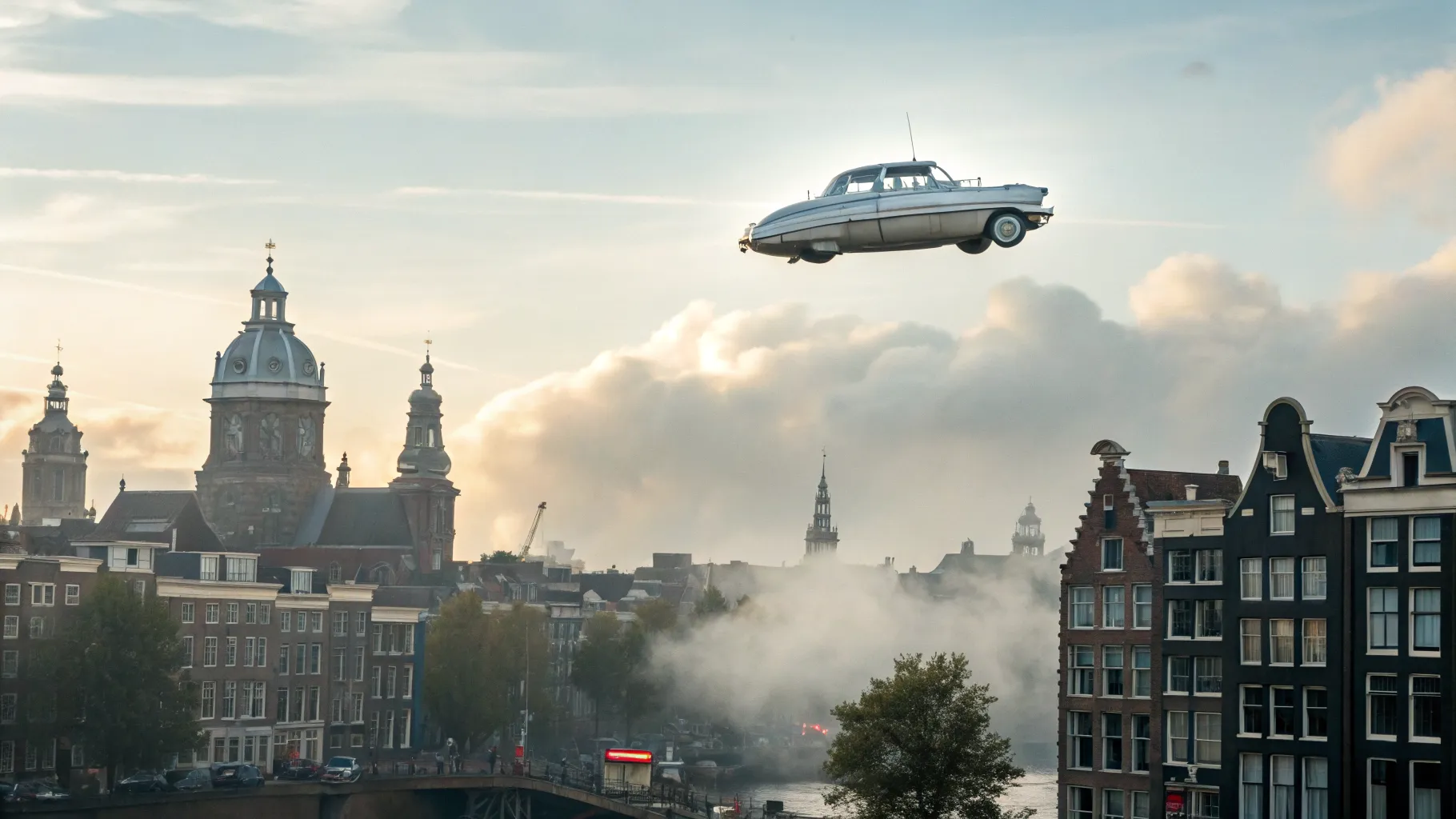
From huge geese to flying cars, these photographs from a new exhibition at the Rijksmuseum reveal how we have been manipulating images for over a century.
How Image Tricks Took Hold
Photo manipulation is almost as old as photography. In the darkroom era, printers combined negatives, painted on emulsions, and used double exposures to bend reality. Early twentieth-century postcards often featured giant produce, towering babies, or oversized animals. These pictures were jokes and souvenirs, but they also showed how scale and staging could rewrite a scene.
Photomontage grew into a political tool. Artists and propagandists rearranged faces, crowds, and monuments to persuade or distract. Retouchers removed smoke, softened wrinkles, and straightened skies to sell ideals in magazines and ads. Each technique aimed to make the edited image look ordinary, even when the content was not.
Inside the Show: Play, Protest, and Persuasion
The exhibition’s subjects move from lighthearted fantasy to serious commentary. The “huge geese” signal the humor of trick perspective and cut-and-paste collage. Flying cars nod to a century of techno-dreams staged for the camera. Such scenes are not only gags. They test how viewers weigh evidence when eyes and mind disagree.
Curatorial text frames the images as lessons in visual literacy. The displays suggest that techniques change, but the aim is steady: to guide attention and stir emotion. A photograph can be a record, but it can also be a performance. The same craft that delights can also mislead when it enters news, politics, or celebrity culture.
From Darkrooms to Phones to AI
Digital tools lowered the barrier to manipulation. Photo-editing software made composite work faster and cleaner. Filters and face-smoothing migrated to social apps, shaping self-image and public taste. Synthetic media now automates what used to take hours, generating faces and voices that never existed.
The show’s century-long arc links old and new worries. An airbrushed sky and an AI-made skyline share a motive: control of the story. The craft has moved from chemicals to code, but the stakes remain similar. Audiences must decide what to trust, and creators must decide what to disclose.
Why It Matters for Viewers and Media
Manipulated images can charm, critique, or deceive. In art, they push style and imagination. In journalism, even minor edits risk bending facts. Editors have long set rules for contrast, color, and cropping to guard against bias. Yet viral posts often skip such checks, letting spectacle outrun context.
Educators argue that museums and classrooms can help. Seeing historical tricks beside modern ones builds healthy doubt. It also restores respect for honest craft, from careful captioning to clear disclosure of staged scenes. The exhibition positions viewers as active readers, not passive observers.
How to Read a Picture
- Check the source and caption. Who made it, when, and why?
- Study edges and light. Inconsistent shadows and blur can flag composites.
- Look for repeating patterns that hint at cloning or duplication.
- Compare with other reports from credible outlets.
- Consider the motive. Is the image selling, mocking, or informing?
What Comes Next
The exhibition lands in a high-stakes media climate. Elections, conflicts, and public health debates often hinge on pictures as much as words. Museums can offer a slower space to test claims and methods. By showing a lineage from postcard pranks to algorithmic edits, the Rijksmuseum gives visitors a map for the present.
The central message is clear: photographs have always been made, not just taken. That insight does not erode trust. It sets a standard. Viewers can demand context, and creators can share process. As tools change again, this history will remain a guide for what to watch and how to judge.

A seasoned technology executive with a proven record of developing and executing innovative strategies to scale high-growth SaaS platforms and enterprise solutions. As a hands-on CTO and systems architect, he combines technical excellence with visionary leadership to drive organizational success.