


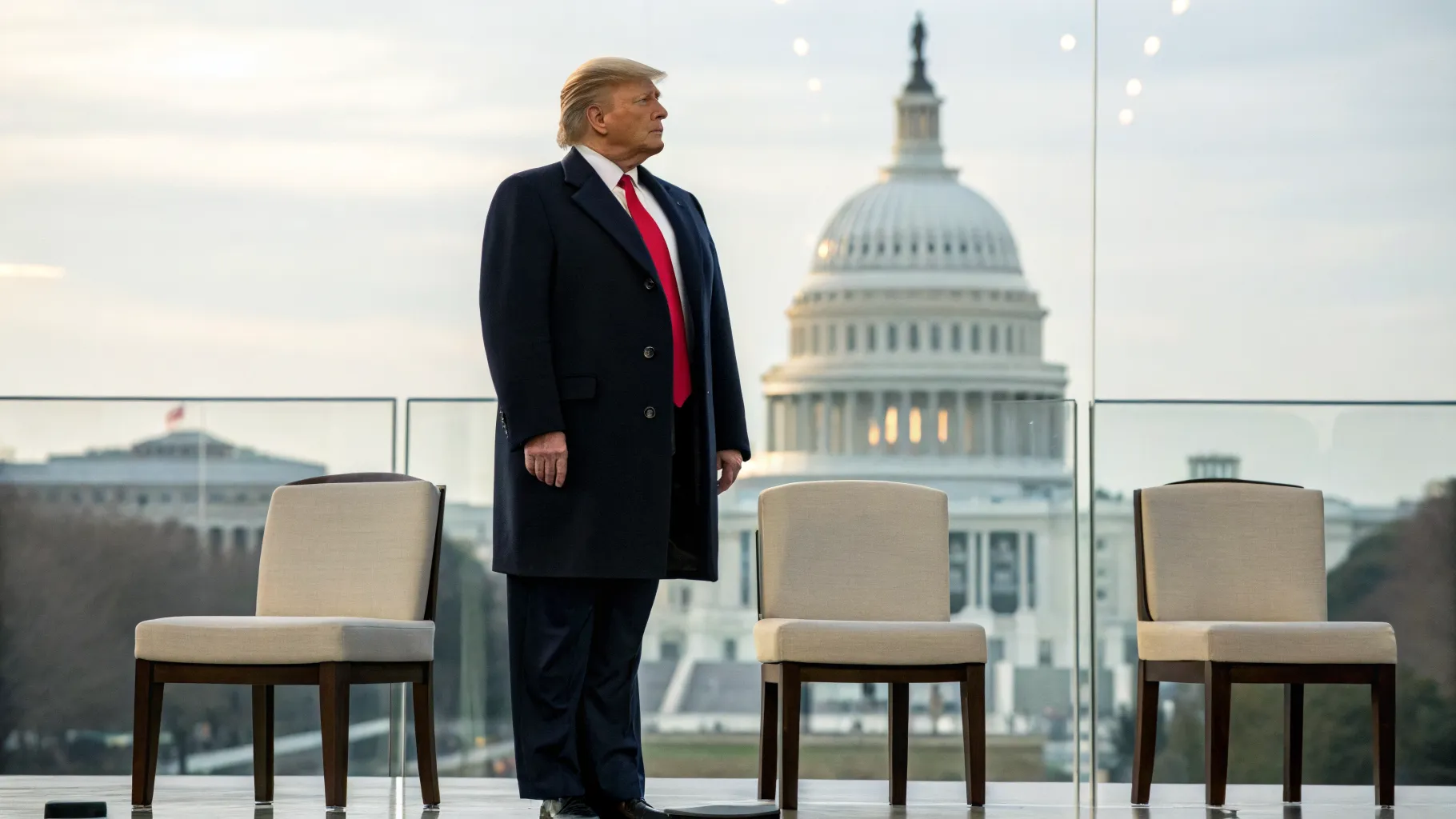
President Donald Trump on Saturday canceled plans to send U.S. envoy Steve Witkoff and senior adviser Jared Kushner to Islamabad, Pakistan, for negotiations with Iran, pausing an unusual diplomatic effort with far-reaching stakes. The decision, revealed without an immediate public explanation, puts a spotlight on Washington’s strategy for handling Tehran and the role of third countries in back-channel talks.
“President Donald Trump on Saturday cancelled plans to send U.S. envoy Steve Witkoff and Jared Kushner to Islamabad, Pakistan for negotiations with Iran.”
A Rare Diplomatic Route
Choosing Islamabad as a meeting point for talks with Iran stands out. Pakistan shares a border with Iran and maintains working relations with both Washington and Tehran. While not a frequent host for U.S.-Iran contacts, Pakistan has at times acted as a conduit in regional disputes, aided by its military and diplomatic ties across the Gulf and South Asia.
The pause comes against the backdrop of years of strain between the United States and Iran. In 2018, the Trump administration withdrew from the nuclear agreement known as the JCPOA and reimposed sanctions. Since then, pressure and limited indirect contacts have taken turns shaping the relationship. Historically, countries like Oman and Switzerland have played go-between roles, with discreet channels often preferred during tense moments.
What the Cancellation Could Mean
The White House has not publicly detailed the reasons for the reversal. Such decisions can hinge on security assessments, timing, or leverage calculations before sensitive talks. They also may reflect shifting internal views on who should lead outreach, which issues should be on the table, or how allies and rivals might react.
- Security or logistics could have prompted a delay.
- Washington may be reassessing the agenda or participants.
- Regional events might have changed the risk calculus.
For Tehran, the halt could signal firmness or uncertainty from Washington. For Islamabad, it raises questions about its role as a venue for quiet negotiations and whether future sessions might move to neutral sites used in past contacts.
Unconventional Envoys
Jared Kushner, a senior adviser during the Trump presidency, helped steer Middle East initiatives, including agreements to normalize ties between Israel and several Arab states in 2020. His portfolio placed him near key regional leaders, giving him access useful for shuttle diplomacy. Sending him to a sensitive channel involving Iran would have drawn on that experience.
Steve Witkoff is best known as a real estate executive. Describing him as a U.S. envoy for this mission would have marked an unusual choice for such a delicate assignment. Outsider envoys are not without precedent in U.S. diplomacy, but they are rare for high-stakes talks with Iran, which often require deep expertise in sanctions, nuclear issues, and regional security.
Regional Stakes and Reactions
Any movement on U.S.-Iran talks can ripple through energy markets, maritime security in the Gulf, and conflict zones where both countries back opposing sides. Pakistan’s involvement could be read as a bid to lower tensions on its western border and raise its profile as a problem-solver, while managing careful ties with Saudi Arabia and China.
Allies in Europe have long supported a negotiated path with Iran, focused on limiting nuclear activity and opening channels on regional behavior. They will watch for signs that Washington is keeping diplomatic options alive even after this pause. Gulf states, some of which have pursued their own de-escalation with Tehran, are likely to weigh the risks of fresh talks against the benefits of stability.
What to Watch Next
Diplomatic pauses are not unusual in complex processes. The key questions now are whether a new venue, timeline, or team will emerge, and whether initial agenda items—such as detainee issues, maritime incidents, or sanctions relief—resurface.
Signals to monitor include any renewed travel by senior aides, quiet consultations with European partners, and contact through known intermediaries. A return to even limited dialogue could lower the chance of miscalculation in a tense region. A prolonged freeze, by contrast, would leave pressure tactics as the main tool on both sides.
The cancellation closes a narrow window, at least for now. But it does not end the incentive for talk. The strategic interests at stake—security in the Gulf, nuclear safeguards, and regional calm—remain. If a fresh channel opens, whether in Islamabad or elsewhere, it will test whether both sides see value in conversation over confrontation.

Rashan is a seasoned technology journalist and visionary leader serving as the Editor-in-Chief of DevX.com, a leading online publication focused on software development, programming languages, and emerging technologies. With his deep expertise in the tech industry and her passion for empowering developers, Rashan has transformed DevX.com into a vibrant hub of knowledge and innovation. Reach out to Rashan at [email protected]























