


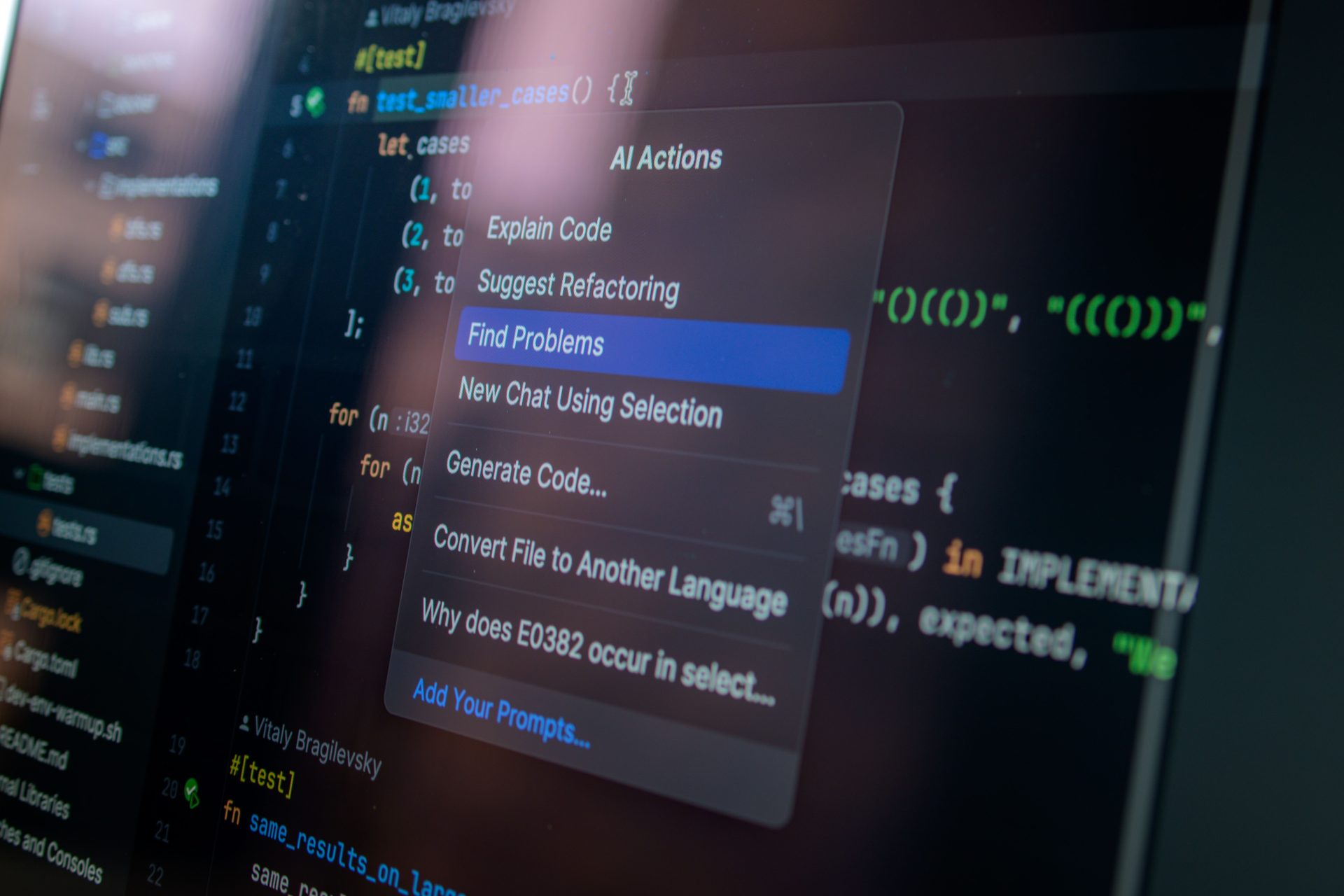
SaaS companies face an awkward problem: building software faster doesn’t necessarily mean delivering improvements to customers sooner. Developers can complete features in days, yet those changes may spend another week waiting for testing, approvals, or deployment. The consequences extend beyond engineering. Delayed releases frustrate customers, interrupt product roadmaps, and make it harder for businesses to respond to market demands. The solution isn’t simply asking developers to work harder. SaaS businesses need delivery processes that balance speed, reliability, security, and coordination. Understanding where software releases slow down can help teams eliminate unnecessary delays without sacrificing product quality.
Manual Build Processes Create Invisible Delays
Every software update must pass through several technical steps before it becomes available to customers. Source code needs to be compiled or packaged, dependencies must be resolved, and tests should verify that changes behave as expected. When developers handle these activities manually, inconsistencies become difficult to avoid.
One engineer may use different configurations from another, creating failures that are challenging to reproduce. This is where Continuous Integration Build Automation becomes valuable. By automatically building and testing code when developers submit changes, teams can identify problems earlier and reduce repetitive manual work.
Automated pipelines also establish consistent procedures across engineering teams. Instead of discovering integration problems immediately before release, developers receive feedback while changes are still relatively small. For SaaS businesses managing frequent updates, this consistency can make delivery schedules more predictable and reduce time spent investigating avoidable errors.
Feature Backlogs Grow When Releases Become Complicated
A growing feature backlog doesn’t always mean a SaaS company lacks development resources. Sometimes, completed work simply cannot move through the release process quickly enough. New features may wait for testing environments, technical reviews, or coordination with unrelated changes. As unfinished releases accumulate, product managers face increasingly difficult prioritization decisions.
Developers may also spend time revisiting older work instead of progressing with current assignments. Smaller, more frequent releases can reduce these complications. Teams can divide major features into manageable improvements and use feature flags to control when customers gain access.
This approach separates deploying code from making functionality publicly available. Product managers gain flexibility, while engineers avoid combining too many unrelated changes into one risky release. The objective is to maintain a steady flow of improvements rather than depend on occasional large updates.
Testing Bottlenecks Turn Small Changes Into Expensive Delays
Testing protects SaaS customers from broken functionality, but inefficient testing processes can create unnecessary waiting. A minor interface adjustment shouldn’t always require the same validation effort as a major database modification. Yet some engineering teams run lengthy testing procedures without considering which components actually changed.
Others rely heavily on manual testing, making results dependent on employee availability. Risk-based testing can improve efficiency by directing attention toward the areas most likely to be affected. Automated unit and integration tests provide rapid feedback, while targeted end-to-end tests help validate important customer workflows.
Full regression testing remains useful at appropriate checkpoints, particularly for significant changes. Teams should also investigate unreliable tests that fail inconsistently. When developers cannot trust test results, they waste time repeating checks or ignoring warnings.
Effective testing balances coverage with meaningful feedback rather than treating the number of executed tests as the only measure of quality.
Poor Communication Creates Problems Between Engineering and Product Teams
Software releases involve more than developers writing code. Product managers define priorities, designers establish user experiences, quality assurance teams investigate defects, and customer-facing employees prepare for changes. When these groups operate independently, important details can disappear between handoffs.
A feature may technically work but lack updated documentation or clear instructions for customers. Support teams might discover a major interface change only after users begin asking questions. Shared release schedules and clearly defined responsibilities can reduce these surprises.
Product and engineering teams should agree on acceptance criteria before development begins. Release notes, customer notifications, and internal training should be considered part of delivery planning. Not every update requires a formal announcement, but significant changes deserve coordinated communication.
A successful release is one customers can understand and use, not merely one that reaches production.
Technical Debt Makes Every Future Release More Difficult
Technical debt develops when teams choose shortcuts that create additional maintenance work later. Sometimes these decisions are reasonable. A startup may prioritize launching essential functionality before investing in sophisticated infrastructure.
Problems emerge when temporary solutions become permanent foundations. Poorly documented code, outdated dependencies, and tightly connected components can make even simple modifications risky. Developers spend more time understanding existing behavior and less time delivering improvements.
SaaS companies should regularly evaluate which technical weaknesses create the greatest operational costs. Priorities might include improving automated tests, simplifying complicated services, or updating unsupported libraries. Technical debt doesn’t need to disappear completely.
Instead, engineering leaders should manage it alongside product development, allocating resources according to business risk and expected benefits. Ignoring maintenance indefinitely may create a release process that becomes slower with every new feature.
Security Reviews Shouldn’t Begin the Day Before Deployment
Security is essential for SaaS businesses handling customer accounts, sensitive information, and integrations with external systems. However, security reviews become disruptive when teams postpone them until a release is nearly complete. Discovering a vulnerable dependency or exposed credential at the final stage may require extensive rework.
A more effective approach incorporates security checks throughout development. Automated dependency scanning, secret detection, and suitable code analysis can identify certain issues before they reach production. Access permissions should follow established policies, while sensitive configuration values should be managed securely.
Human review remains important because automated tools cannot identify every design flaw or business-specific risk. Security requirements should also reflect the sensitivity of the application and its data. By making security part of normal engineering activity, teams can reduce last-minute surprises without treating protection as an obstacle to innovation.
Infrastructure Costs Rise When Development Environments Are Poorly Managed
SaaS businesses frequently rely on cloud infrastructure for development, testing, and production workloads. These environments offer flexibility, but unnecessary resource consumption can increase operating expenses. Temporary testing systems may remain active after projects finish. Oversized build machines can consume resources without providing meaningful performance improvements.
Engineering teams should monitor how infrastructure is used throughout the delivery process. Useful metrics include build duration, resource utilization, environment availability, and spending associated with automated workflows.
Caching reusable dependencies and avoiding redundant work may reduce both waiting time and computing requirements. Temporary environments can also be configured to shut down when they are no longer needed.
However, aggressive cost reductions shouldn’t compromise test reliability or developer productivity. The objective is to eliminate waste while preserving the resources required for dependable software delivery.
Measure Release Quality Instead of Celebrating Deployment Frequency
Frequent deployments can indicate an efficient engineering organization, but speed alone doesn’t establish success. A SaaS company releasing updates every day may still frustrate customers if those changes introduce recurring defects.
Engineering leaders need a broader understanding of delivery performance. Deployment frequency, lead time for changes, change failure rate, and recovery time can reveal different aspects of the process. Customer support requests and product usage patterns provide additional context.
Teams should investigate whether releases improve customer experiences rather than simply increase activity. For example, a faster deployment process has limited value if users repeatedly encounter broken workflows. Reviewing incidents without assigning blame can help identify weaknesses in testing, communication, or infrastructure.
The strongest SaaS delivery systems combine frequent improvements with dependable performance and clear accountability. Ultimately, faster software development creates business value only when completed work reaches customers reliably. Automated processes, effective testing, coordinated teams, and thoughtful infrastructure management help make that possible.
SaaS companies that address these operational bottlenecks can spend less time managing release complications and more time improving the products their customers depend on.
Photo by Daniil Komov: Pexels

Rashan is a seasoned technology journalist and visionary leader serving as the Editor-in-Chief of DevX.com, a leading online publication focused on software development, programming languages, and emerging technologies. With his deep expertise in the tech industry and her passion for empowering developers, Rashan has transformed DevX.com into a vibrant hub of knowledge and innovation. Reach out to Rashan at [email protected]