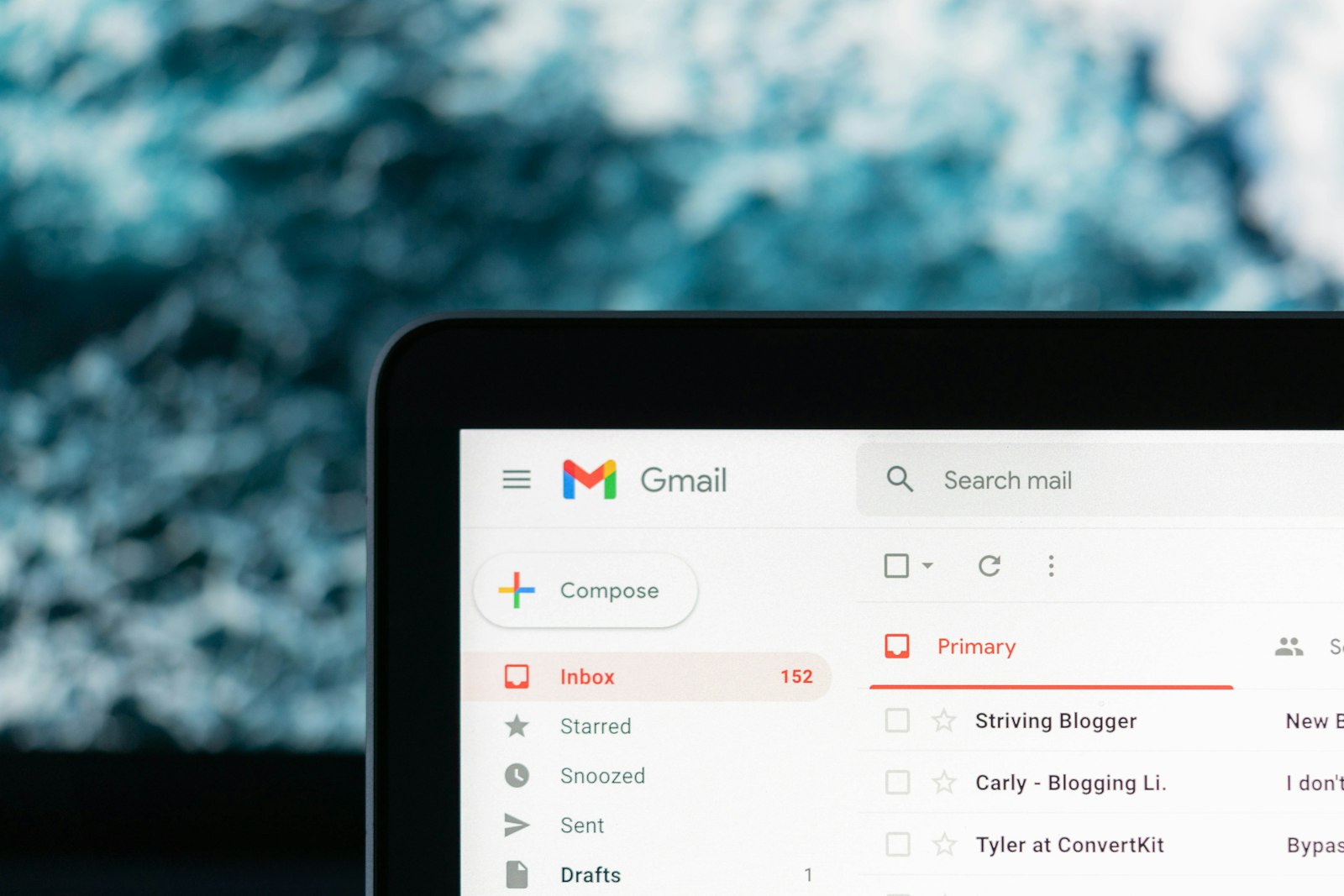
Ask most leaders where their biggest security gap is, and they will point at technology—a firewall, a patch, a tool they have not bought yet. The honest answer is usually sitting three desks away, holding a coffee and glancing at an email that looks just close enough to real. That is not an insult to your people. It is the reality of how attacks work now, and it is why phishing prevention has to start with training the humans, not just tuning the machines.
The threats have changed, too. The clumsy, typo-ridden “Nigerian prince” email is a museum piece. Today’s phishing is polished, personalized, and increasingly written by AI. Your team is up against fake texts, malicious QR codes, and messages that perfectly mimic a colleague’s tone. The good news: with the right training, people become your strongest layer of defense instead of your weakest. Here is how to get them there.
Know what your team is actually up against
You cannot train people to spot threats you have not named. Phishing is still one of the most common ways attackers get in. IBM’s 2025 Cost of a Data Breach Report found phishing was the single most common initial access vector, behind 16% of breaches. And once a lure lands, it works fast. Verizon’s Data Breach Investigations Report found the median time for someone to click a malicious link was just 21 minutes, with half of those who fell for it clicking within the first hour.
Twenty-one minutes. That is the window between an email hitting an inbox and your network being at risk. Training is what shrinks that window—or better, closes it entirely by turning a click into a report.
Notice where the fight has moved, too. Attackers have followed your people onto their phones, into text messages, and into collaboration tools like Teams and Slack, where a link feels more trustworthy than it does in email. QR codes printed on a fake parking notice or invoice route victims to phishing sites that never touch your email filters at all. If your training still shows only a suspicious inbox, it is fighting the last war.
Move from awareness to instinct
A once-a-year slide deck does not change behavior. The candid reality, according to Proofpoint’s State of the Phish, is that more than 70% of employees admit to taking risky actions that leave them exposed. People often know the rules and cut corners anyway when they are busy. Effective phishing prevention training aims lower and stickier than knowledge—it builds instinct.
Teach a few concrete tells that hold up against modern lures:
- Urgency and pressure. “Act now or your account is locked” is designed to switch off your judgment. Real urgency rarely arrives by surprise email.
- A mismatch between sender and request. The CEO does not text you to buy gift cards. Verify unusual requests through a second channel, every time.
- Unexpected links, attachments, and QR codes. Hover before clicking. Treat a QR code in an email with the same suspicion as a shortened link from a stranger.
- Tone that is almost right. AI-written lures are fluent now. If a familiar contact suddenly sounds off or asks for something out of pattern, slow down.
Make phishing prevention a program, not an event
Instinct comes from repetition, so build a rhythm. Run realistic simulated phishing campaigns, but treat a failed test as a coaching moment, not a gotcha—shame teaches people to hide clicks, not report them. Deliver training in short, frequent doses rather than one exhausting annual session. And make reporting effortless. A one-click “report phish” button that routes straight to your security team turns every employee into a sensor.
Measure what matters. Track your click rate and your report rate over time, and watch the gap close. The report rate is the number most teams ignore, and it is the one that predicts how you will do against a real campaign—a workforce that reports fast gives your security team the early warning to pull a malicious email from every other inbox before it spreads. Celebrate the people who report a slick lure. When spotting phishing becomes a point of pride instead of a source of anxiety, you have changed the culture, and culture is what holds when a clever email slips past your filters. This kind of everyday vigilance is a core part of building a strong cybersecurity culture.
Back your people with the right guardrails
Training does the heavy lifting, but it should not stand alone. Give your team a safety net so that a single slip does not become a breach. Phishing-resistant multifactor authentication means a stolen password is not enough on its own. Strong data privacy controls limit what any one compromised account can reach. And a clear plan for recovering from a breach quickly means that if a lure does land, you contain it fast. Layers give your people room to be human.
Your best firewall has a pulse
Technology filters most of the noise, but the most convincing phishing emails are designed specifically to slip past filters and land in front of a person. That is why your trained, alert team is the control that matters most. Invest in them the way you invest in your tools—consistently, patiently, and with respect for how hard their job is. Do that, and the next time a flawless-looking email arrives with a 21-minute fuse, someone spots it, reports it, and turns an attack into a non-event. That is phishing prevention that actually works.
Featured image: Photo by Justin Morgan on Unsplash. In-article image: Photo by Zulfugar Karimov on Unsplash.

Rashan is a seasoned technology journalist and visionary leader serving as the Editor-in-Chief of DevX.com, a leading online publication focused on software development, programming languages, and emerging technologies. With his deep expertise in the tech industry and her passion for empowering developers, Rashan has transformed DevX.com into a vibrant hub of knowledge and innovation. Reach out to Rashan at [email protected]