We keep treating the password as the front door to our digital lives. In practice, it has become the unlocked window every attacker climbs through. The average employee juggles dozens of credentials, reuses the weak ones, and forgets the strong ones at the worst possible moment. That is the quiet case for passwordless authentication: not simply that passwords are annoying, but that they were never a very good lock to begin with.
If you lead a team or run a company, the question is no longer whether passwordless authentication works. It works, and it is already in your customers’ pockets. The real question is whether the friction, cost, and habit of the password are worth defending any longer. Here is how I would think it through.
Why passwords keep failing you
A password only has to leak once. Phishing, credential stuffing, reused logins from an old breach, a sticky note on a monitor, all of it points to the same weakness: a secret that a human has to remember and a server has to store is a secret that can be stolen. Attackers know this, and they have gotten frighteningly good at exploiting it. Microsoft reports that AI-powered phishing campaigns now drive click-through rates as high as 54%, which means the old advice of “train your people to spot a fake email” is no longer a reliable defense on its own.
Even multi-factor authentication, which is a genuine improvement, still leans on a password as its first factor. You are stacking a second lock on a door that was already easy to pick. The honest conclusion is that the shared secret itself is the problem.
What passwordless authentication actually means
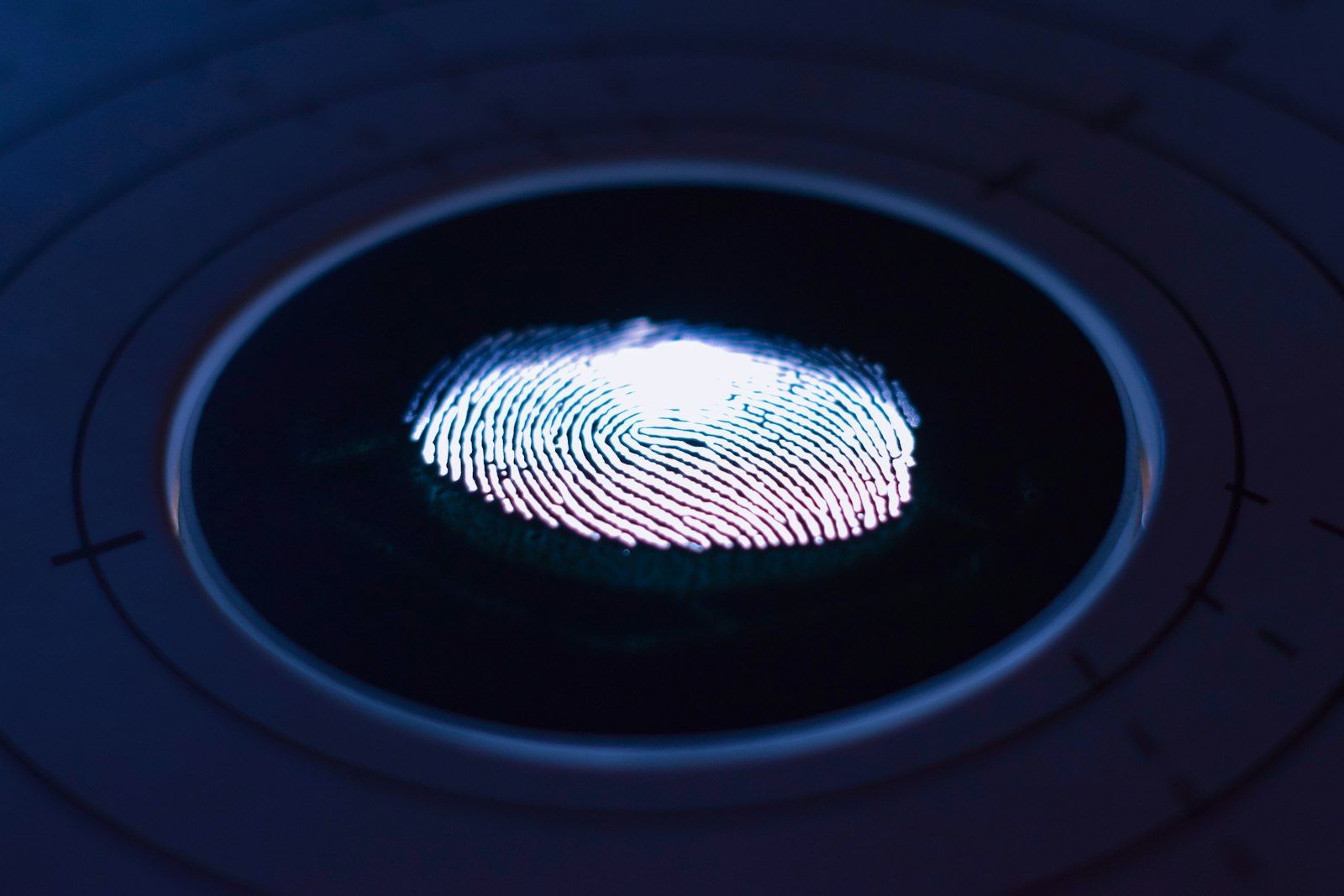
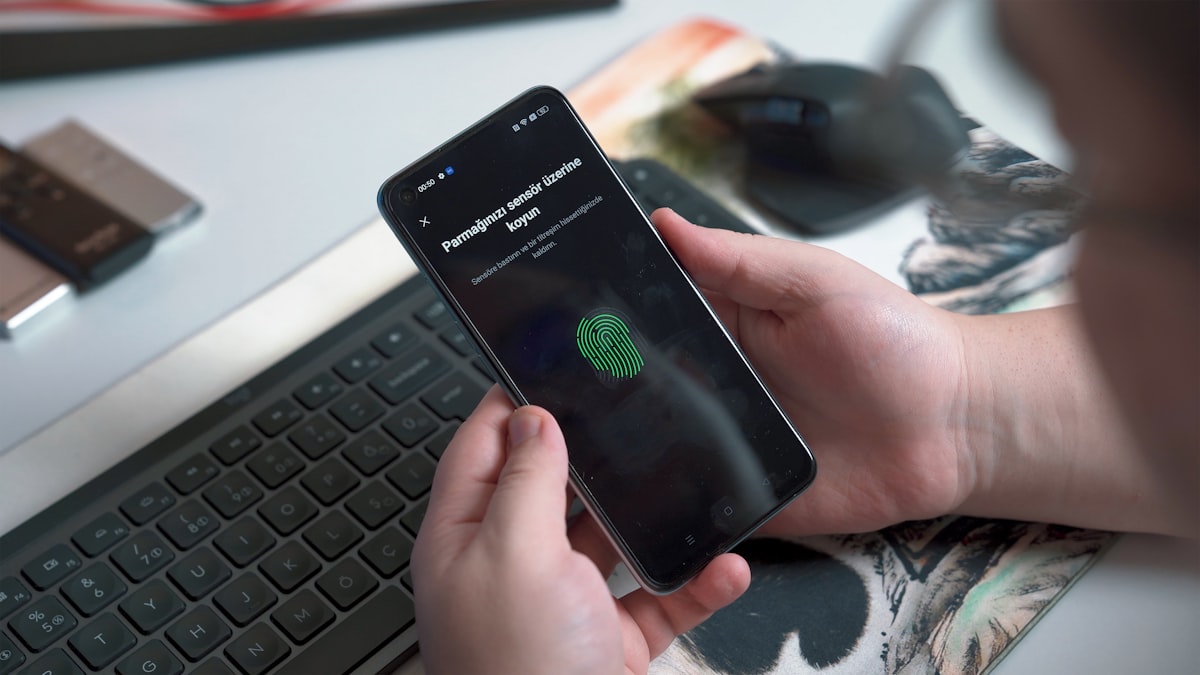
Passwordless authentication replaces “something you remember” with “something you have” and “something you are.” Think biometrics like a fingerprint or face scan, hardware security keys, and passkeys built on the FIDO2 and WebAuthn standards. A passkey stores a private cryptographic key on your device that never leaves it. The site only ever sees a public key, so there is nothing sitting in a database for a hacker to steal and nothing for a phishing page to capture.
That distinction matters. It is why passkeys are considered phishing-resistant by design, not by policy. This is the same shift in thinking behind a zero trust architecture, where you stop assuming any credential is trustworthy just because someone typed it correctly.
The momentum behind passwordless authentication is already here
This is not a bet on the future. It is happening now. According to the FIDO Alliance’s 2025 consumer research, 69% of consumers have enabled passkeys on at least one of their accounts, and passkeys are now supported on 48% of the world’s top 100 websites. Microsoft, for its part, estimates that roughly 5 billion passkeys are already in use worldwide.
Apple, Google, and Microsoft have all baked passkey support directly into their operating systems and browsers. When the three companies that control the devices your customers use every day agree on a standard, adoption stops being a question of if and becomes a question of when. The infrastructure is done. What is left is your decision to use it.
Where to start without breaking everything
You do not flip a switch and delete every password on a Friday afternoon. Treat this as a phased migration, and give yourself room to learn.
- Assess your current infrastructure. Identify which of your applications and identity providers already support FIDO2, WebAuthn, or passkeys. Most modern platforms do.
- Pilot with a friendly group. Start with your IT or security team, then expand to a department that will give you honest feedback. Watch the support tickets closely.
- Offer passwordless as the default, not the mandate. Let users enroll a passkey while keeping a fallback during the transition. Adoption climbs faster when it feels like an upgrade instead of a rule.
- Plan your recovery flows. The hardest part of going passwordless is not the login, it is what happens when someone loses a device. Design that path before you launch it.
Handled well, going passwordless is not just a security upgrade. It is a customer experience upgrade. Fewer forgotten passwords means fewer abandoned carts, fewer reset emails, and fewer frustrated calls to your support line. The same instinct that drives smart teams to protect data privacy also rewards them here, because the less sensitive data you store, the less you have to defend.
Passwords aren’t dead, but they’re dying
Passwords will linger for a while, the way fax machines lingered long after email won. Legacy systems, edge cases, and habit will keep them around. But the direction is unmistakable, and the leaders who move early will spend the next few years with fewer breaches and happier users than the ones who wait to be forced.
Start small, measure everything, and build the culture alongside the technology. Rolling out passkeys is only half the work; the other half is helping your people understand why the change protects them, which is exactly the kind of effort behind any real cybersecurity culture. And as you plan for the longer horizon, keep an eye on adjacent shifts like quantum-resistant cryptography, because the goal was never to defend the password. It was to defend the person behind it.
The front door was never really the password. It was trust. Passwordless authentication finally gives you a way to earn that trust without asking anyone to remember it.
Featured image: Photo by George Prentzas on Unsplash. In-article image: Photo by Onur Binay on Unsplash.

Rashan is a seasoned technology journalist and visionary leader serving as the Editor-in-Chief of DevX.com, a leading online publication focused on software development, programming languages, and emerging technologies. With his deep expertise in the tech industry and her passion for empowering developers, Rashan has transformed DevX.com into a vibrant hub of knowledge and innovation. Reach out to Rashan at [email protected]