As more consumers scale back on alcohol, major beverage companies are rethinking size, strength, and packaging. The shift is visible on store shelves this year, from mini cans to single-serve bottles, as brands adjust to a market that prizes moderation, variety, and value.
The change is global and steady. Breweries, distillers, and ready-to-drink makers are offering smaller formats and more low and no alcohol options. Executives say the goal is to match how people drink now, at home and in social settings, without overbuying or overpouring.
As drinkers cut back, the future for big booze might be smaller, literally.
A Shift Toward Moderation
Public health messaging, tighter budgets, and changing social habits are pushing people to drink less. Many consumers plan alcohol-free days. They track intake with apps, and they try month-long breaks. Younger adults are more selective with both price and potency.
Industry analysts have reported growth in low and no alcohol products, along with more interest in mix-and-match packs and trial sizes. Retailers also see a rise in at-home occasions with fewer guests, which favors smaller containers.
The move follows years of premiumization, when larger formats and higher alcohol content were common. That trend is now tempered by demand for control and convenience.
Smaller Formats Gain Ground
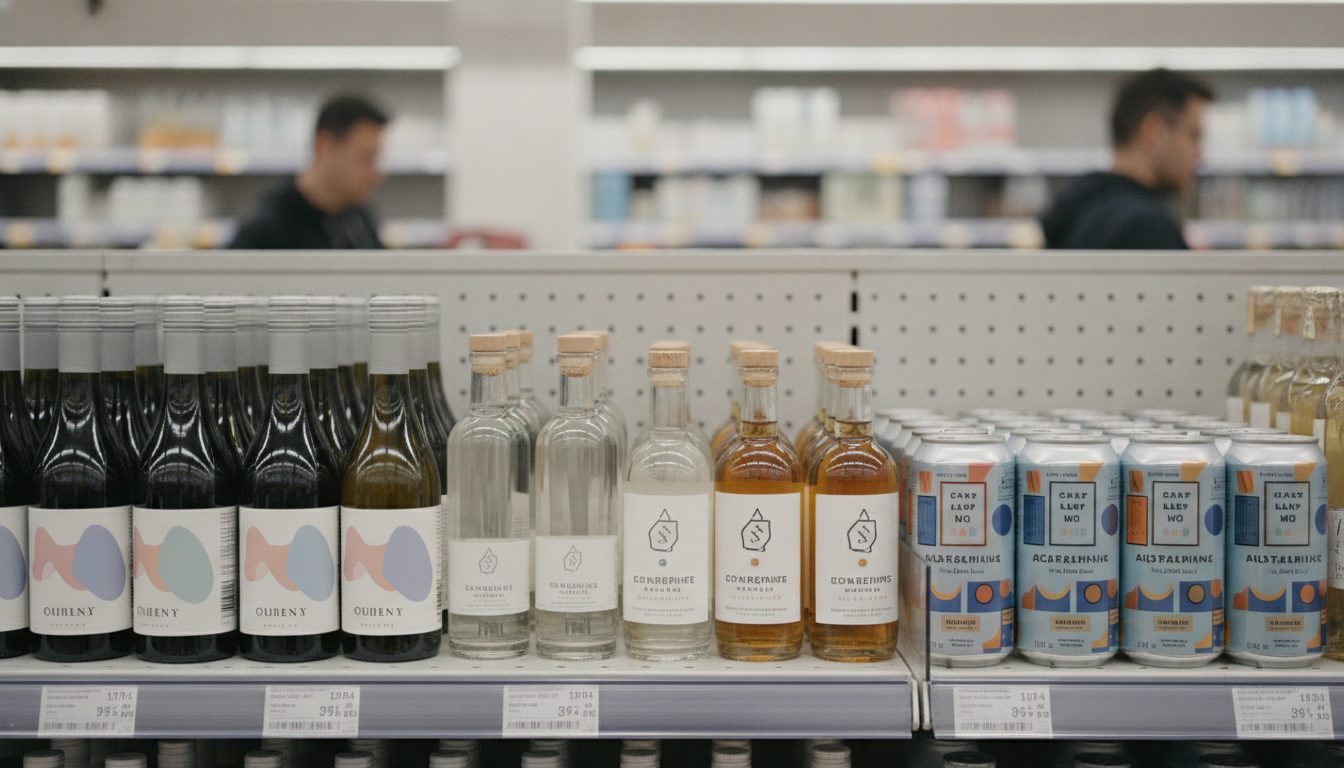
Producers are rolling out 187-milliliter wine bottles, 200-milliliter spirits, 250-milliliter and 355-milliliter cans, and single-serve cocktails. The aim is simple. Offer a right-sized pour with less waste and a lower total price at checkout.
Bars and restaurants are experimenting too. Split bottles and half-pours help customers try premium items without the full commitment. In grocery, single cans and variety packs let shoppers explore styles before buying a full case.
Executives say the change helps quality control. Once opened, a large bottle can go stale. A sealed single-serve keeps flavor consistent.
What It Means for Big Brands
Scaling down is not just a packaging tweak. It affects supply chains, pricing, and shelf strategy. Canning lines must handle more sizes. Labels need clearer nutrition and ingredient details, especially for low and no alcohol drinks.
There are potential benefits. Smaller units can carry higher margins per ounce. They can open new placements in convenience stores, stadiums, and airlines. They also support responsible drinking messages by normalizing smaller servings.
But there are trade-offs. More container types can raise manufacturing costs and complicate recycling streams. Brands must also balance smaller formats with value packs for cost-conscious buyers.
How Retailers Are Responding
- Dedicated shelf space for single-serve cans and mini bottles.
- End caps featuring low and no alcohol sections.
- Mix-and-match promotions for discovery.
- Price points under ten dollars to encourage trial.
Grocers report that shoppers like the ability to test before committing. Convenience stores see impulse purchases rise when chilled single-serves are near checkout.
The Low and No Alcohol Link
Smaller formats often sit beside low and no alcohol lines. Both target moderation and control. A consumer may choose a lighter option for a weekday, then a standard drink on the weekend. Pack size gives flexibility without adding volume at home.
Market researchers, including IWSR and NielsenIQ, have tracked steady gains in these categories. They cite health and wellness goals, social inclusion for non-drinkers, and flavor improvements. Many products now highlight calories and sugar to help shoppers compare.
Risks, Skeptics, and What Comes Next
Some critics warn that smaller packaging could raise per-unit costs for customers over time. Others question whether novelty will fade if economic pressures ease. Environmental groups urge companies to invest in lightweight materials and returnable systems to offset more containers.
Producers counter that right-sizing cuts waste from unfinished bottles. They point to aluminum’s strong recycling rates in many markets and to initiatives that remove plastic where possible.
What to watch this year: limited runs that test size, strength, and flavor; co-branded sampler packs; and clearer serving guidance on labels. Expect marketing to focus on choice and responsible consumption.
For big beverage companies, shrinking the package is a practical answer to a sober trend. The move aligns with health goals, helps control costs at checkout, and reduces waste in the fridge. The next phase will show whether smaller formats become a long-term fixture, or a bridge to new habits that place moderation, flavor, and transparency at the center of the drinks aisle.

A seasoned technology executive with a proven record of developing and executing innovative strategies to scale high-growth SaaS platforms and enterprise solutions. As a hands-on CTO and systems architect, he combines technical excellence with visionary leadership to drive organizational success.