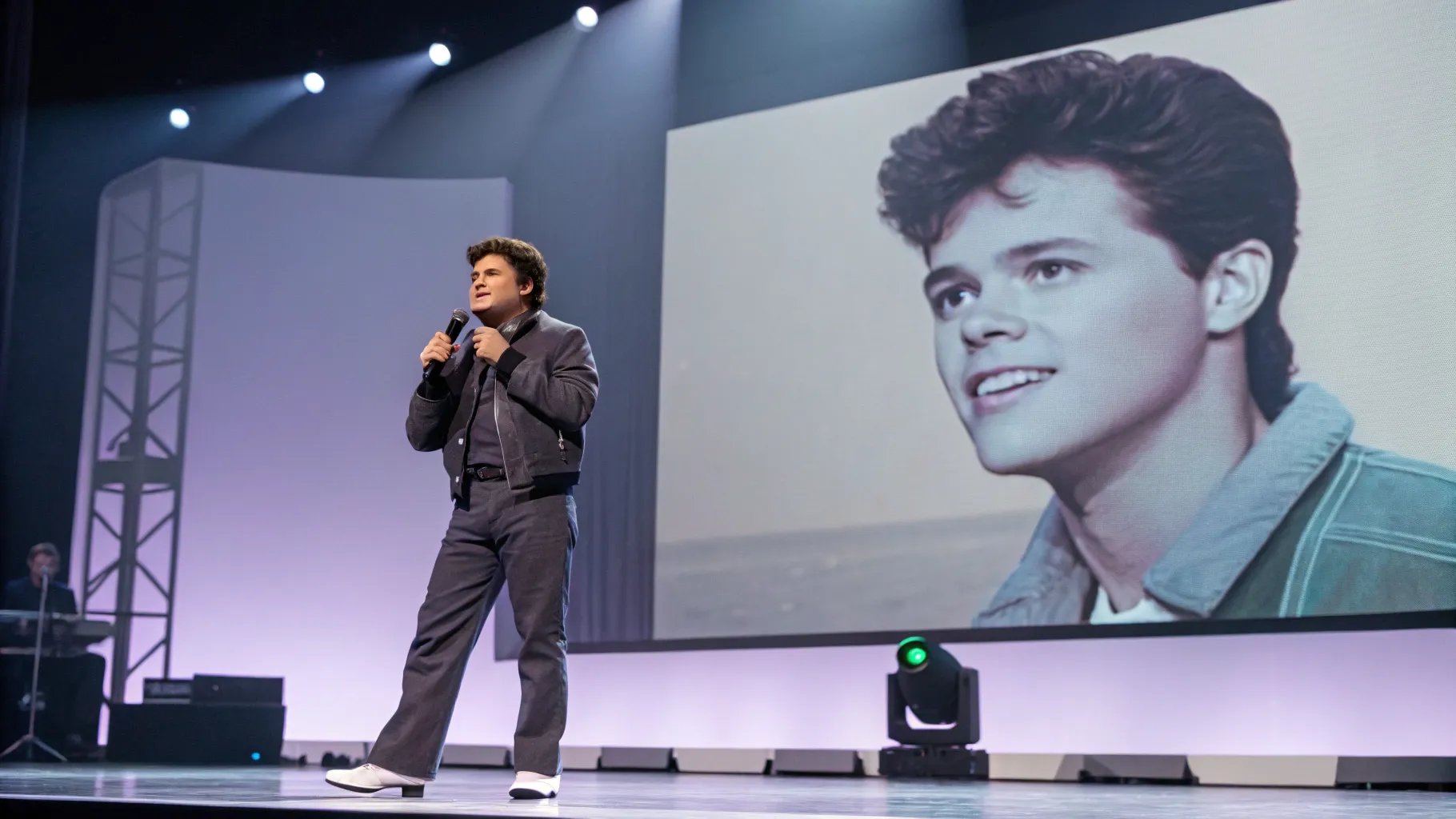
Donny Osmond says new media tools are helping him bring his 14-year-old self back to the stage, detailing the process in a conversation with Kurt “CyberGuy” Knutsson on the “Beyond Connected” podcast. The veteran entertainer discussed how modern audio and video techniques can restore a signature voice and look from his early career, as fans seek both nostalgia and fresh experiences.
Osmond, who rose to fame as a teen sensation with The Osmonds and later as a solo performer, is part of a broader wave of artists revisiting their archives. The conversation touched on how technology can honor legacy material while meeting today’s production standards. It also raised questions about consent, accuracy, and the line between tribute and simulation.
Why a Teen Idol Returns
Nostalgia has long fueled tours, residencies, and reissues. For artists who began young, the pull is strong. Audiences remember first hits, high notes, and the visual style that defined an era. Recreating that energy is hard with analog recordings and aging film stock. Modern tools promise cleaner sound, restored footage, and a faithful stage presence.
Osmond’s remarks point to a simple aim: reconnect with the moment when fans first heard him sing. That goal now sits within reach. Producers can map old performances, refine pitch and timbre, and enhance grainy video. The result can feel both familiar and new, especially in live shows where archival clips blend with real-time vocals.
The Tools Behind the Illusion
While Osmond did not release a technical blueprint, the approach likely involves a mix of well-known methods used across music and film:
- Audio enhancement: cleaning, pitch-matching, and harmonics to mirror a younger voice.
- Archival mining: selecting reference performances to guide today’s edits.
- Visual restoration: upscaling old footage and smoothing frame rates for modern screens.
- Face and motion work: careful compositing to align expressions and stage movements.
These steps do not replace performance. They support it. The artist still drives timing, emotion, and connection with the audience. Technology fills in gaps a human cannot reverse, such as the texture of teenage vocals or the look of vintage cameras.
Industry Trend With High Stakes
Osmond’s project reflects a wider trend. Film studios have used de-aging methods for major releases, and music companies are restoring catalog videos for streaming. Fans get clarity. Rights holders get new life for old hits. But costs, accuracy, and public trust shape outcomes.
Key issues now face artists and producers:
- Consent and control: clear agreements over voice, likeness, and archival use.
- Label and estate roles: who signs off when multiple parties own the material.
- Transparency: telling fans when enhancements shape what they see and hear.
- Cost-benefit: whether restoration and visual effects pay off in ticket sales and streams.
Balancing Art, Memory, and Ethics
Recreating a younger self can thrill fans, yet it carries risk. If the result feels too synthetic, it can break the spell. If it is too light, viewers may not notice the effort. Striking the right balance is both an artistic and ethical choice.
Artists also weigh legacy. A respectful revival can introduce classic performances to new listeners without overwriting history. Thoughtful labeling and behind-the-scenes context help audiences understand what is original and what is enhanced.
What This Means for Live Shows
Live entertainment is moving fast toward mixed formats. Screens, synchronized lighting, and tight audio cues can place a restored performance beside the artist on stage. For a singer known for early hits, that pairing can shape the emotional core of a setlist.
Expect more residencies, tours, and special broadcasts to try similar ideas. The economics are clear: iconic songs and images, updated for today’s venues and devices, extend careers and deepen fan engagement.
Osmond’s discussion with Knutsson signals where music and media are heading. The tools are ready. The audience appetite is strong. The next step is careful use, with clear consent and honest framing, so that memory and modern craft work together rather than compete. Fans will be watching for how artists explain the process, honor the source material, and keep the performance at the center of the show.

Rashan is a seasoned technology journalist and visionary leader serving as the Editor-in-Chief of DevX.com, a leading online publication focused on software development, programming languages, and emerging technologies. With his deep expertise in the tech industry and her passion for empowering developers, Rashan has transformed DevX.com into a vibrant hub of knowledge and innovation. Reach out to Rashan at [email protected]