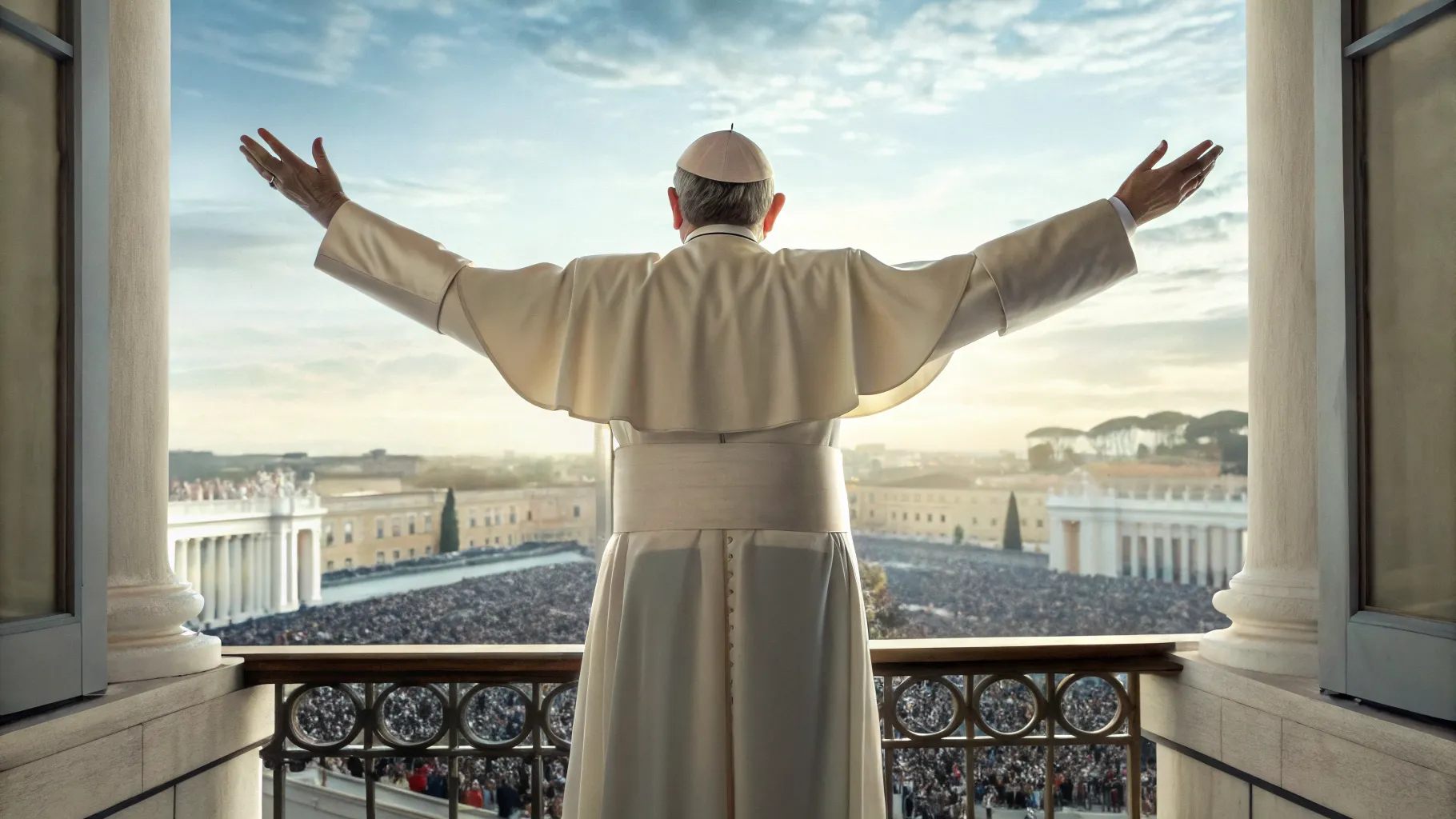
The Pope signaled he will not be deterred by criticism, saying he will keep preaching peace even as some media framing has missed the mark. In remarks addressing recent commentary about his public statements, the Pontiff rejected what he called a “certain narrative that has not been accurate,” and reaffirmed his focus on reconciliation and dialogue. His comments arrive at a moment of rising global tension, where calls for restraint and humanitarian concern are under intense debate.
Background: A Consistent Call for Peace
For years, the Pope has urged nonviolence and care for civilians in conflict zones. He has championed dialogue between rivals and asked leaders to seek cease-fires and humanitarian corridors. His approach often stresses listening, dignity, and the protection of the vulnerable.
The Vatican’s diplomatic tradition dates back centuries. Popes have offered mediation and humanitarian support in wars and political crises. The current Pontiff has leaned on that heritage, using public appeals and private outreach to encourage talks.
Addressing Media Narratives
The Pope’s latest comments suggest concern that his words have been misread or selectively framed. He emphasized that his mission is pastoral, not partisan. He also noted that the moral call to protect life is not a political slogan but a duty for leaders and citizens alike.
“Despite a certain narrative that has not been accurate, I will continue to preach a message of peace.”
He did not name specific outlets or critics. Yet the remark points to a larger clash between faith-based appeals and polarized public debates, where statements can be pulled into competing agendas.
Reactions and Debate
Supporters say the Pope’s stance is clear and consistent. They argue that moral clarity requires urging restraint, protecting civilians, and backing negotiations, even when such messages face headwinds. Critics sometimes press for sharper condemnation of aggressors or for the Vatican to align more plainly with one side in a conflict.
Scholars of religion and politics note that papal diplomacy often tries to keep channels open. This can invite charges of ambiguity, even as it allows contact with multiple parties. The balance is hard in a media climate that rewards quick judgments and simple labels.
- Backers highlight humanitarian appeals and calls for cease-fires.
- Critics seek firmer language against specific actors.
- Vatican diplomats aim to preserve space for dialogue.
What the Message Means for Policy
Religious leaders do not set state policy, but their words can shape public opinion. Appeals for nonviolence can add pressure for aid flows, prisoner exchanges, or pauses in fighting. They can also give cover to leaders who are weighing negotiations.
The Pope’s recommitment suggests he will keep urging steps that reduce civilian harm. That includes access for humanitarian groups, protection of hospitals and schools, and support for refugees. Such goals have wide backing across aid communities and many governments.
Communication in a Distrustful Age
The reference to an inaccurate narrative highlights a basic problem of the moment: statements spread fast, often stripped of context. Short clips can frame complex moral appeals as partisan moves. The Vatican has expanded its own channels to share full texts and clarify intent, but reach and interpretation still vary.
Analysts say leaders now must repeat core messages and explain them in plain language. The Pope’s simple pledge to keep preaching peace reflects that lesson. It is a restatement of priorities, designed to cut through noise.
Looking Ahead
The next phase will test whether a steady focus on human dignity can influence debates shaped by fear and fatigue. Wars drag on, and public attention shifts. Yet peace work is often incremental. Small gains, like local truces or aid deliveries, can save lives and open space for talks.
The Pope’s stance also signals to other faith leaders and civic groups that persistence matters. Coalitions that press for humanitarian access and restraint can be effective when they coordinate messages and keep pressure on decision-makers.
The Church’s moral authority depends on clarity and credibility. By calling out inaccurate framing while repeating a simple aim, the Pope seeks both. He is betting that patient advocacy can still move hearts, even in a harsh information climate.
For now, the headline is steady: the Pontiff will keep speaking for peace, despite misreadings and criticism. The measure of impact will be whether his words help protect civilians and encourage talks. Watch for continued appeals, more direct engagement with leaders, and a push to keep the human cost of war at the center of public debate.
Related Articles
- How Strong Leaders Manage Technology Without Burning Out Teams
- Big Tech Shifts, Robotaxi Battles, Buffett Succession

Kirstie a technology news reporter at DevX. She reports on emerging technologies and startups waiting to skyrocket.