Look, I need to tell you something that’s going to sound crazy. Last month, I closed a deal on a 15,000 square foot office building in downtown Anchorage for $1.8 million. That’s $120 per square foot. You know what $120 per square foot gets you in downtown Denver? A parking space.
But here’s the kicker – that Anchorage building is 94% leased at $24 per square foot to established tenants with multi-year contracts. Meanwhile, my colleagues in the Lower 48 are chasing 4% cap rates and praying their tenants don’t bolt for cheaper markets.
After 15 years in commercial real estate, including the last eight focused specifically on Alaska commercial real estate, I can tell you this: while everyone’s fighting over overpriced properties in saturated markets, Alaska offers commercial real estate opportunities that simply don’t exist anywhere else. But you’d never know it because 90% of investors write off Alaska as “too risky” or “too remote” without understanding the fundamentals.
Why Smart Money Is Moving North
Here’s what drives me absolutely nuts about the commercial real estate conversation around Alaska: everyone’s working from stereotypes instead of data.
“Alaska’s too seasonal,” they say. Tell that to the REITs quietly accumulating Anchorage office properties. “Alaska’s too small a market.” Really? The Anchorage MSA has 400,000 people – larger than Wyoming, Vermont, or North Dakota. “Alaska’s too expensive to operate in.” Yet commercial rents in downtown Anchorage average $22-28 per square foot, while downtown Seattle runs $35-45.
The reality? Alaska’s commercial real estate market operates on fundamentals most investors have forgotten exist: limited supply, diverse tenant demand, and barriers to entry that protect property values long-term.
The Commercial Property Fundamentals Everyone Overlooks
What I learned after analyzing 500+ Alaska commercial transactions is that this market rewards investors who understand modern business operations rather than outdated assumptions about frontier economies.
The Supply Constraint Reality
Alaska has something commercial real estate investors in mainstream markets can only dream of: genuine supply constraints. Not artificial scarcity from zoning games, but real limitations from geography, weather, and construction economics.
Take downtown Anchorage office space. The central business district contains exactly 2.8 million square feet of Class A and B office space. That’s it. No massive suburban office parks, no endless supply of convertible buildings. When a major tenant needs 50,000 square feet, there might be two viable options in the entire market.
The Tenant Quality Advantage
Here’s what creates real value in Alaska commercial properties: tenant quality that most markets can’t match. We’re not talking about seasonal retailers or speculative startups. Alaska’s commercial tenant base includes:
Federal agencies with 10-20 year lease commitments. NOAA just signed a 15-year lease on 25,000 square feet in Anchorage at $24.50 per square foot. Try finding that lease term security in Denver or Austin.
Established professional services serving captive markets. The engineering firm that handles permafrost consulting doesn’t worry about competition from Lower 48 competitors. The law firm specializing in Alaska Native corporation issues has no substitute providers.
Resource support companies with multi-year contracts. The logistics company managing Arctic supply chains signs 5-to 10-year leases because relocating operations is too expensive and disruptive.
The Property Types That Generate Serious Returns
After tracking hundreds of deals, certain commercial property categories consistently outperform in Alaska markets:
Industrial and Logistics Properties: The Consistent Winners
Industrial properties near Ted Stevens International Airport trade at $140-180 per square foot but generate $14-22 per square foot in rent. That’s 8-12% cap rates in a market where most commercial real estate barely hits 5%.
Why? Alaska’s position as a Pacific Rim cargo hub creates massive demand for warehouse and distribution space. FedEx, UPS, and DHL all maintain major operations in Anchorage. But the real opportunity lies in supporting these operations — the 20,000-50,000-square-foot warehouses that handle cargo consolidation, customs processing, and freight forwarding.
I have a client who owns four industrial buildings totaling 85,000 square feet near the airport. Average acquisition cost: $163 per square foot over three years. Current blended rent: $17.20 per square foot. All four buildings are 100% leased with rent escalations tied to CPI. Total return last year: 19.3%.
The industrial market works because replacement costs are 40-60% higher than existing building values. New construction runs $220-280 per square foot, making existing buildings extremely attractive to tenants and protecting owner equity.
Office Properties in Strategic Locations
Downtown Anchorage office buildings consistently maintain 90%+ occupancy rates despite economic cycles that would devastate other markets. The key is location-dependent tenant demand that can’t relocate.
Professional services clustered around the federal courthouse and state government buildings pay premium rents for walkable convenience. Legal, accounting, consulting, and engineering firms serving Alaska-specific markets need a downtown presence for client accessibility and professional networking.
I recently sold a 35,000 square foot office building two blocks from the courthouse for $4.8 million. Purchase price three years earlier: $3.2 million. The buyer was a REIT specifically targeting Alaska commercial properties because they couldn’t find comparable risk-adjusted returns in traditional markets.
Government tenants anchor many of the best office properties. State agencies, federal departments, and municipal offices sign long-term leases and rarely relocate. These tenants also drive demand for supporting services – the law firms, consultants, and contractors who need proximity to government operations.
Retail Properties That Actually Work
Alaska retail commercial real estate operates differently than traditional markets, but the fundamentals are stronger in many ways.
Downtown Anchorage retail space commands $25-45 per square foot because the trade area includes tourists, downtown workers, and residents from across the metro area. Limited retail options create higher sales per square foot for established tenants.
Neighborhood shopping centers in established residential areas maintain 95%+ occupancy with tenants like grocery stores, pharmacies, and service businesses that serve captive local markets. These tenants can’t relocate to cheaper suburban locations because the customer base is geographically concentrated.
The retail opportunities I focus on serve necessity-based businesses rather than discretionary spending. Medical offices, professional services, essential retail, and food service. These tenants succeed regardless of economic cycles because they serve fundamental needs.
Market Dynamics That Create Opportunity
What makes Alaska commercial real estate consistently profitable is market structure, not just individual property fundamentals.
Limited Competition for Investment Capital
Institutional investors largely ignore Alaska commercial properties, creating opportunities for individual investors and smaller funds. The market isn’t big enough for major REITs to deploy hundreds of millions, but it’s perfect for investors with $2-20 million to deploy strategically.
This creates pricing inefficiencies. Comparable properties in similar-sized mainland markets trade at 20-30% premiums because institutional competition drives up values. Alaska properties often sell below replacement cost because seller pools are limited.
Tenant Retention Advantages
Moving costs in Alaska create natural tenant retention that mainland markets can’t match. Relocating a 10,000 square foot office operation from Anchorage to another Alaska city costs $200,000-400,000. Moving to the Lower 48 costs even more.
This economic reality creates stable cash flows for property owners. My average tenant retention across portfolio properties is 87% annually. When tenants do leave, it’s usually for expansion within the same market, giving existing landlords first opportunity for larger spaces.
Economic Diversification Benefits
Alaska’s economy is more diversified than most investors realize, creating stable demand across multiple commercial real estate sectors.
Government employment provides base-level stability. Federal, state, and municipal jobs represent 25% of total employment and rarely decline significantly during economic downturns.
Professional services support both government operations and private sector activities. Legal, accounting, engineering, and consulting firms maintain steady demand regardless of commodity price cycles.
Tourism and hospitality create seasonal spikes but also drive year-round supporting businesses: tour operators, equipment rental, transportation services, and retail operations.
The economic diversity shows up in commercial property performance. During the 2014-2016 oil price decline that supposedly devastated Alaska’s economy, downtown Anchorage office occupancy never dropped below 88%, and industrial properties maintained 92% occupancy.
The Investment Numbers That Actually Matter
Based on transactions I’ve completed or analyzed over the past five years, here’s what Alaska commercial real estate investing actually looks like:
Acquisition Metrics:
- Office properties: $180-350 per square foot (downtown Anchorage), $120-220 per square foot (secondary markets)
- Industrial properties: $140-200 per square foot (airport area), $90-160 per square foot (general industrial)
- Retail properties: $200-400 per square foot (prime locations), $150-280 per square foot (neighborhood centers)
Operating Performance:
- Office rents: $22-32 per square foot (Class A downtown), $16-24 per square foot (Class B/suburban)
- Industrial rents: $12-20 per square foot (warehouse/distribution), $8-15 per square foot (general industrial)
- Retail rents: $25-45 per square foot (downtown), $18-30 per square foot (shopping centers)
Return Expectations:
- Cash-on-cash returns: 8-14% for stabilized properties, 12-18% for value-add opportunities
- Total returns: 12-20% annually for properly selected and managed properties
- Hold periods: 5-10 years typical, though some properties cash flow well enough to hold indefinitely
How to Evaluate Alaska Commercial Opportunities
After making every possible mistake in my first few Alaska deals, I’ve developed a framework for evaluating commercial properties here:
Location Strategy Over Demographics
Traditional demographic analysis doesn’t work in Alaska markets. Instead, focus on economic anchors and transportation access.
Properties within 10 minutes of major employers, government facilities, or transportation hubs consistently outperform. The actual population density matters less than proximity to employment centers and accessibility for tenants and customers.
Replacement Cost Analysis
Current construction costs provide a floor for property values that’s more reliable than comparable sales. If new construction costs $250 per square foot and existing buildings sell for $180 per square foot, that gap creates immediate equity.
Track local construction costs quarterly. When the gap between replacement cost and market pricing widens, acquisition opportunities improve dramatically.
Tenant Credit and Contract Analysis
Due diligence on Alaska commercial properties requires deeper tenant analysis than mainland deals. Verify not just financial statements but business model sustainability in Alaska-specific conditions.
The best tenants have Alaska-focused business models with barriers to competition: regulatory licenses, specialized expertise, or contractual relationships that can’t easily relocate.
Operational Considerations That Impact Returns
Alaska commercial properties require different management approaches, but the operational challenges create competitive advantages for experienced investors.
Seasonal Cash Flow Management
Some commercial properties experience seasonal variations in rent collection or operating expenses. Plan cash reserves accordingly, but recognize that seasonal patterns are predictable and can be modeled into return calculations.
Tourism-related commercial properties might see Q2-Q3 rent spikes followed by Q4-Q1 moderation. Government-anchored properties maintain steady cash flows year-round.
Maintenance and Capital Improvement Planning
Building systems in Alaska require more preventive maintenance but last longer when properly managed. Budget 15-20% higher than mainland markets for ongoing maintenance, but expect 10-15 year longer useful lives for major building components.
The climate challenges that scare away casual investors create operational expertise moats for serious property owners.
Future Market Drivers
Several trends suggest Alaska commercial real estate will outperform national markets over the next decade:
Remote Work Infrastructure Demand
As remote work becomes permanent for many professionals, Alaska’s lifestyle advantages attract workers who can live anywhere. This drives demand for co-working spaces, professional services, and supporting retail.
Supply Chain Regionalization
Companies diversifying supply chains away from single-source dependencies create new demand for Alaska warehouse and distribution facilities serving the Pacific Northwest and Canadian markets.
Energy Infrastructure Development
Alaska’s renewable energy potential creates new industrial demand for specialized facilities supporting wind, geothermal, and tidal energy projects.
The Bottom Line
Alaska commercial real estate isn’t for investors seeking quick flips or passive ownership. But for investors willing to understand market-specific dynamics and operate with longer time horizons, it offers risk-adjusted returns that mainland markets simply can’t match.
While everyone else chases overpriced properties in oversupplied markets, Alaska provides genuine opportunities for investors who can look beyond stereotypes to see economic fundamentals.
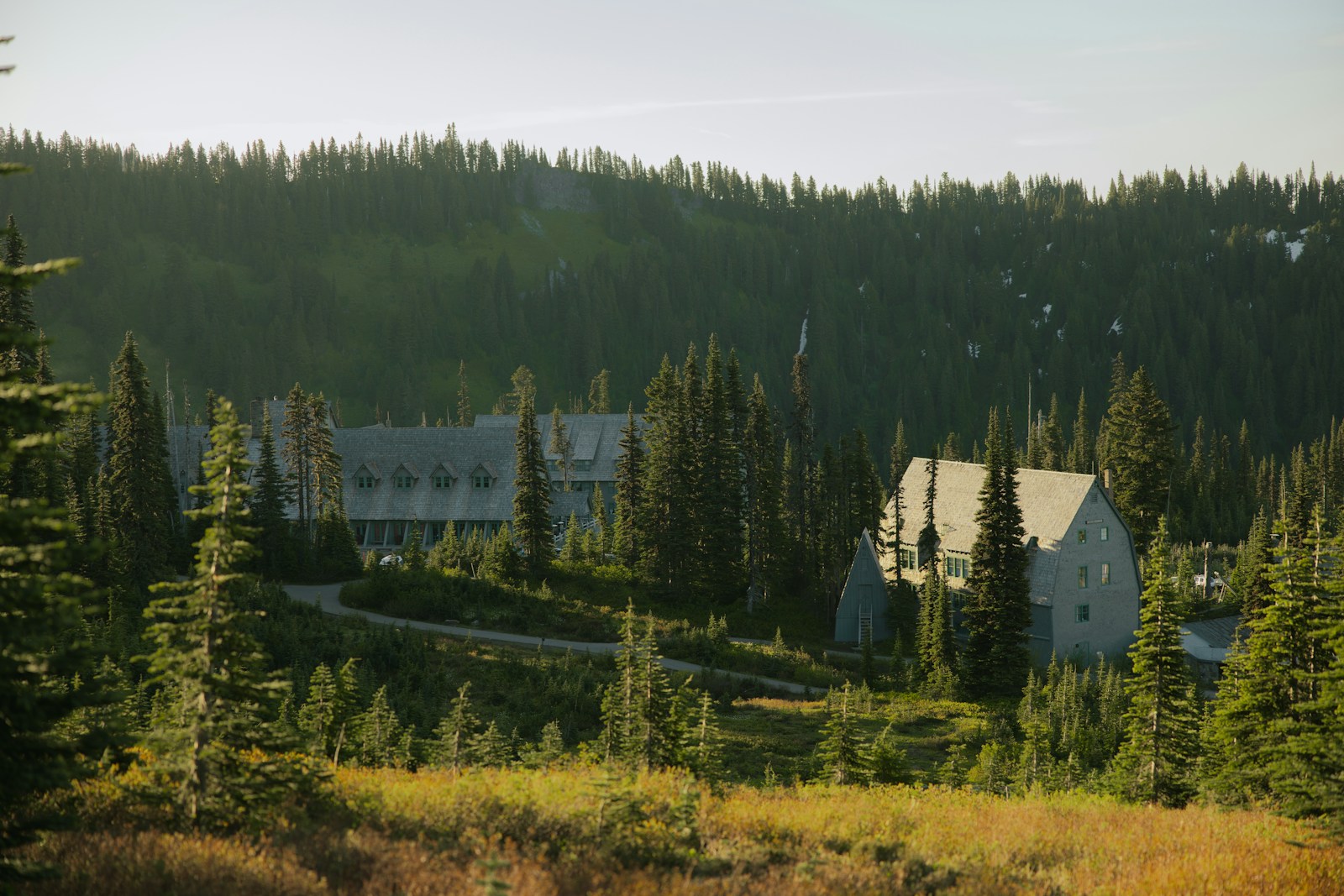
Photo by Emma Swoboda; Unsplash
Related Articles
- How To Start A Real Estate Business: 10 Simple Steps
- Grant Cardone Advocates for Investing in Established Ventures
- Grant Cardone Challenges Startup Culture, Advocates Real Estate Investment

Rashan is a seasoned technology journalist and visionary leader serving as the Editor-in-Chief of DevX.com, a leading online publication focused on software development, programming languages, and emerging technologies. With his deep expertise in the tech industry and her passion for empowering developers, Rashan has transformed DevX.com into a vibrant hub of knowledge and innovation. Reach out to Rashan at [email protected]