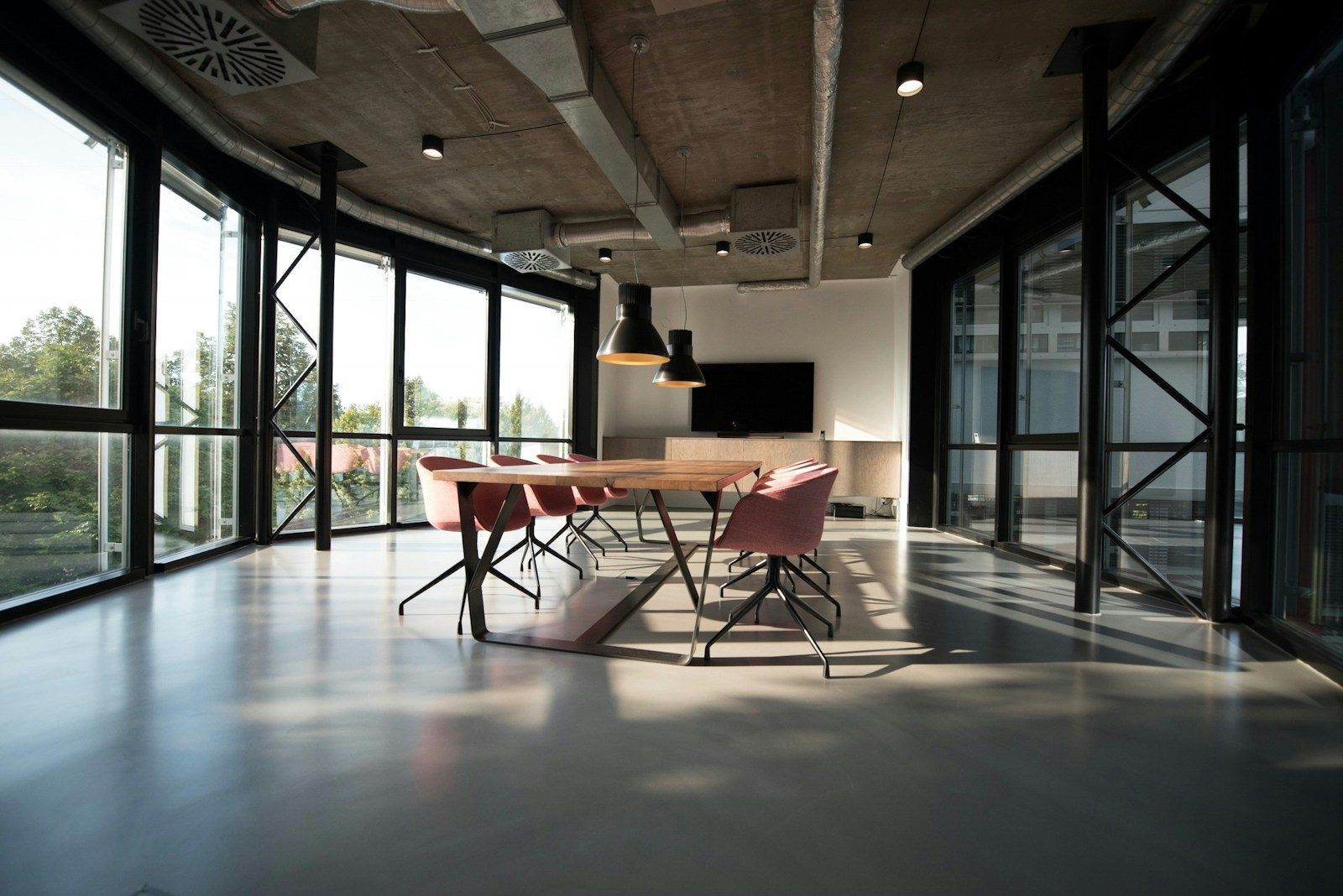
Choosing the perfect modern office table is an important step in creating a productive and comfortable workspace. A well-designed office table not only provides a dedicated work area but also enhances organization, efficiency, and the overall appearance of your office. With numerous styles, sizes, and materials available, selecting the right table can seem challenging. Factors such as workspace dimensions, storage requirements, ergonomics, and design preferences should all be considered before making a decision. This guide will help you understand the key aspects of choosing a modern office table that meets your needs and complements your workspace perfectly.
Understanding Your Workspace Requirements
Before purchasing a modern office table, it is important to carefully evaluate your workspace requirements. The right table should fit comfortably within your office, support your daily tasks, and accommodate future needs. Taking the time to assess these factors can help you choose a table that enhances productivity and creates a more efficient work environment.
Evaluating Available Space
The size of your office plays a major role in determining the type of table you should choose. A table that is too large can make the space feel cramped, while one that is too small may not provide enough room for work essentials.
Measuring Your Office for the Perfect Fit
Measure the available floor space before selecting an office table. Consider factors such as walking space, chair movement, storage units, and other furniture to ensure the table fits comfortably without restricting movement within the workspace.
Identifying Your Daily Work Needs
Different professionals have different workspace requirements. Understanding how you use your desk each day can help you choose a table that supports your work style and improves efficiency.
Choosing a Table Based on Work Activities
Consider whether you primarily use a computer, handle paperwork, conduct meetings, or require multiple monitors. Selecting a table that accommodates your daily tasks will help create a more organized and productive workspace.
Planning for Future Workspace Growth
Your office needs may change over time as your business expands or your work requirements evolve. Choosing a table with future growth in mind can save you from needing a replacement too soon.
Selecting a Table That Adapts to Changing Needs
Look for office tables that offer flexibility, additional storage options, or expandable workspace features. A versatile design can adapt to changing work demands and continue meeting your needs for years to come.
Choosing the Right Size and Shape
The size and shape of an office table directly impact comfort, productivity, and workspace efficiency. Selecting a table that fits your office layout and work requirements ensures a more organized and functional environment. Whether you need a simple desk for daily tasks or a larger workstation for multitasking, choosing the right dimensions and design is essential for long-term comfort and performance.
Standard Office Tables for Everyday Use
Standard office tables are versatile and suitable for most work environments. They provide ample space for computers, documents, and office accessories while maintaining a clean and professional appearance.
Finding the Ideal Dimensions for Comfort
When selecting a standard office table, consider the available workspace and your daily activities. A table with sufficient width and depth allows you to work comfortably without feeling restricted. Adequate legroom and a well-proportioned work surface also contribute to better posture and productivity throughout the day.
L-Shaped and U-Shaped Office Tables
L-shaped and U-shaped office tables are ideal for professionals who require additional workspace. These designs provide separate areas for different tasks, making them suitable for multitasking and managing larger workloads.
Maximizing Workspace and Productivity
L-shaped desks efficiently use corner space, while U-shaped desks offer extensive work surfaces and storage options. Both designs help keep essential items within easy reach, improve organization, and create dedicated zones for computers, paperwork, meetings, and other work activities. This additional space can significantly enhance productivity and workflow in modern office environments.
Conclusion
Choosing the perfect modern office table involves more than selecting an attractive design. Factors such as workspace requirements, table size, shape, material, comfort, and functionality all play an important role in finding the right fit. Whether you choose a standard office desk, an executive table, or an L-shaped workstation, the ideal table should support your daily tasks while enhancing productivity and organization. By investing in a well-designed office table, you can create a comfortable, efficient, and professional workspace that meets your current needs and adapts to future growth.
Photo by Nastuh Abootalebi: Unsplash

Johannah Lopez is a versatile professional who seamlessly navigates two worlds. By day, she excels as a SaaS freelance writer, crafting informative and persuasive content for tech companies. By night, she showcases her vibrant personality and customer service skills as a part-time bartender. Johannah's ability to blend her writing expertise with her social finesse makes her a well-rounded and engaging storyteller in any setting.